
eufy
eufy Robot Vacuum Omni S2
A 30,000 Pa-rated roller-mop robot with a removable-tank All-in-One station; the maker separately lists a refill-and-drain package, and carpet/threshold claims have defined limits.
Read the assessment ↗Find a robot that can reach the rooms you care about
Start with the real constraints: the lowest sofa gap, carpet, cords, Wi-Fi and where a wash-and-empty station can live. Then decide whether you can keep up with removable tanks or can plan a suitable fixed water-and-drain connection.
Roborock comparisons
The QV 35A uses twin spinning pads and a dock that washes, cold-air dries and refills them; it differs from the simpler flat cloth on Q7 M5+ and the real-time refreshed roller on Qrevo Curv 2 Flow. The Qrevo S5V also uses spinning pads, but its page lists warm-air drying and 12,000 Pa suction while leaving dock-wash water temperature unspecified. The Qrevo S Pro’s up-to-75°C dock-cleaning claim is measured at the internal heater output, not at the mop itself; the S Pro review explains why the figure does not establish pad or wash-water temperature. The Qrevo 2 Pro can detach its mop mounts before suitable carpet runs when enabled in the app, but its manual bars high-pile carpet and its product page and support FAQ disagree on suction and dock-wash figures; do not treat those numbers as settled thresholds. Read the Qrevo 2 Pro review. The Qrevo Edge 2 is another low-profile, rotating-pad option, but its exact US FAQ specifies warm water in the robot's mop cycle as well as a separate 80°C dock wash. Its manual still bars high-pile carpet and liquid on the route. The Flow is not the same mechanism as the Curv family’s spinning pads, and its 119mm body is not a low-furniture design. The Qrevo Edge 3 Pro adds a claimed 100°C dock wash, a conditional double-layer threshold figure and dynamic carpet-cleaning claim up to 1.18 inches that must be enabled in the app; its reviewed FAQ does not give a numeric floor-mop water temperature. The reviewed spinning-pad Curv family spans 4.1-, 3.9- and 3.14-inch bodies; Saros models add thin retractable-LDS and solid-state 3D ToF designs. The Saros Z70 adds an app-configured arm for a limited set of light items, not a general-purpose picker; its current class list and 0.3kg load cap matter more than novelty. Compare Z70, Saros 10R and Edge 2. The four Q10 packages combine two mop choices—S5's VibraRise 2.0 or X5's automatic-lift pad—with either a standard charging dock or a dust auto-empty dock. Even the Q10+ dock does not wash or dry its mop. The Saros 10 with Refill & Drainage System instead needs a fixed water supply and drain; tank-based mop docks have a different station routine. The Saros 20 returns to dual spinning pads in a 3.14-inch StarSight robot; Saros 20 Flow is taller at 3.54 inches and uses a refreshed roller with 2.4GHz-only app Wi-Fi. Both list a conditional 3.46-inch double-layer threshold maximum, and neither publishes a numeric floor-water temperature. Compare Saros 20 and Saros 20 Flow. Compare S5V, S Pro and QV 35A or compare roller and spinning-pad mops.
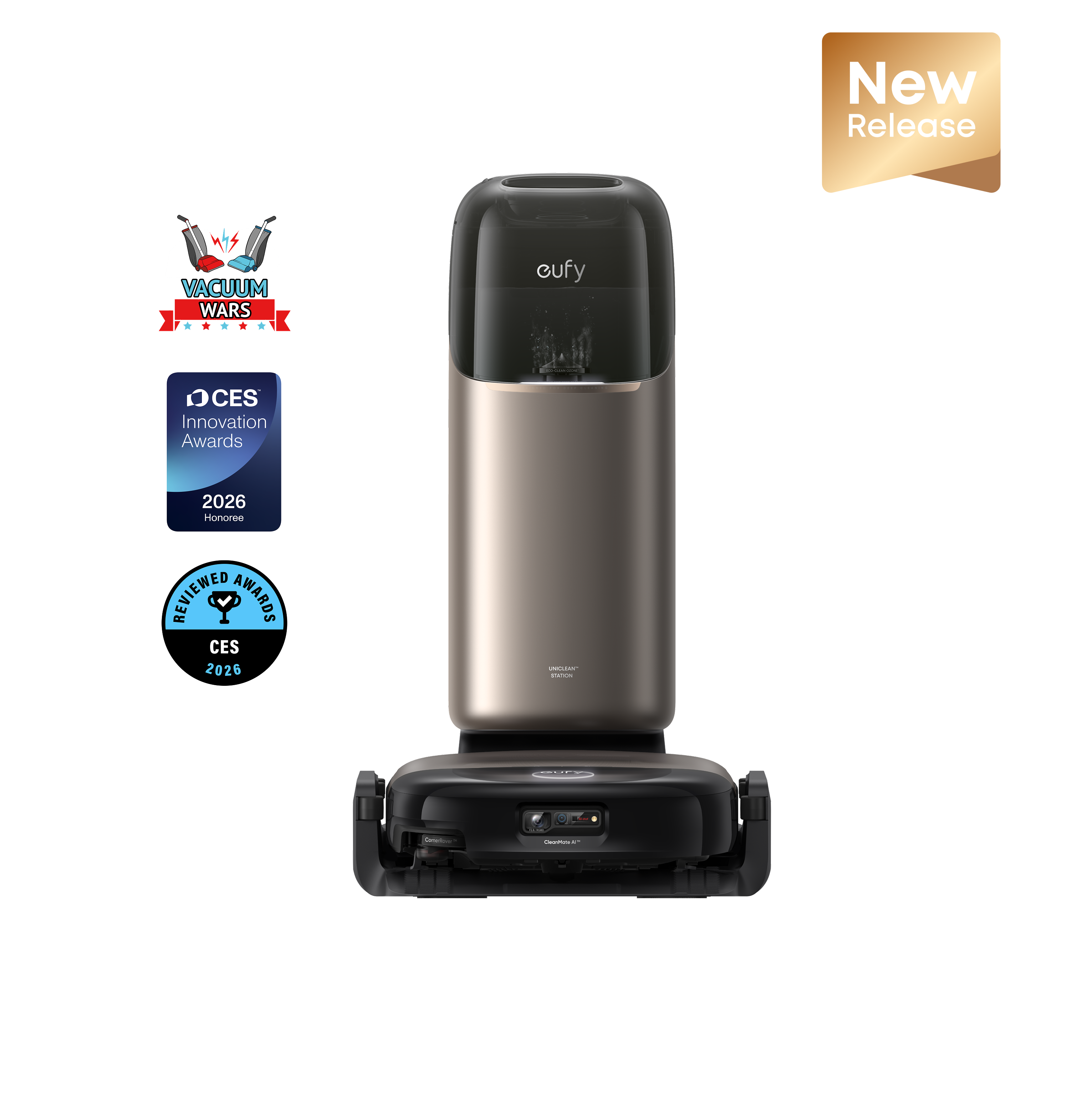
eufy
A 30,000 Pa-rated roller-mop robot with a removable-tank All-in-One station; the maker separately lists a refill-and-drain package, and carpet/threshold claims have defined limits.
Read the assessment ↗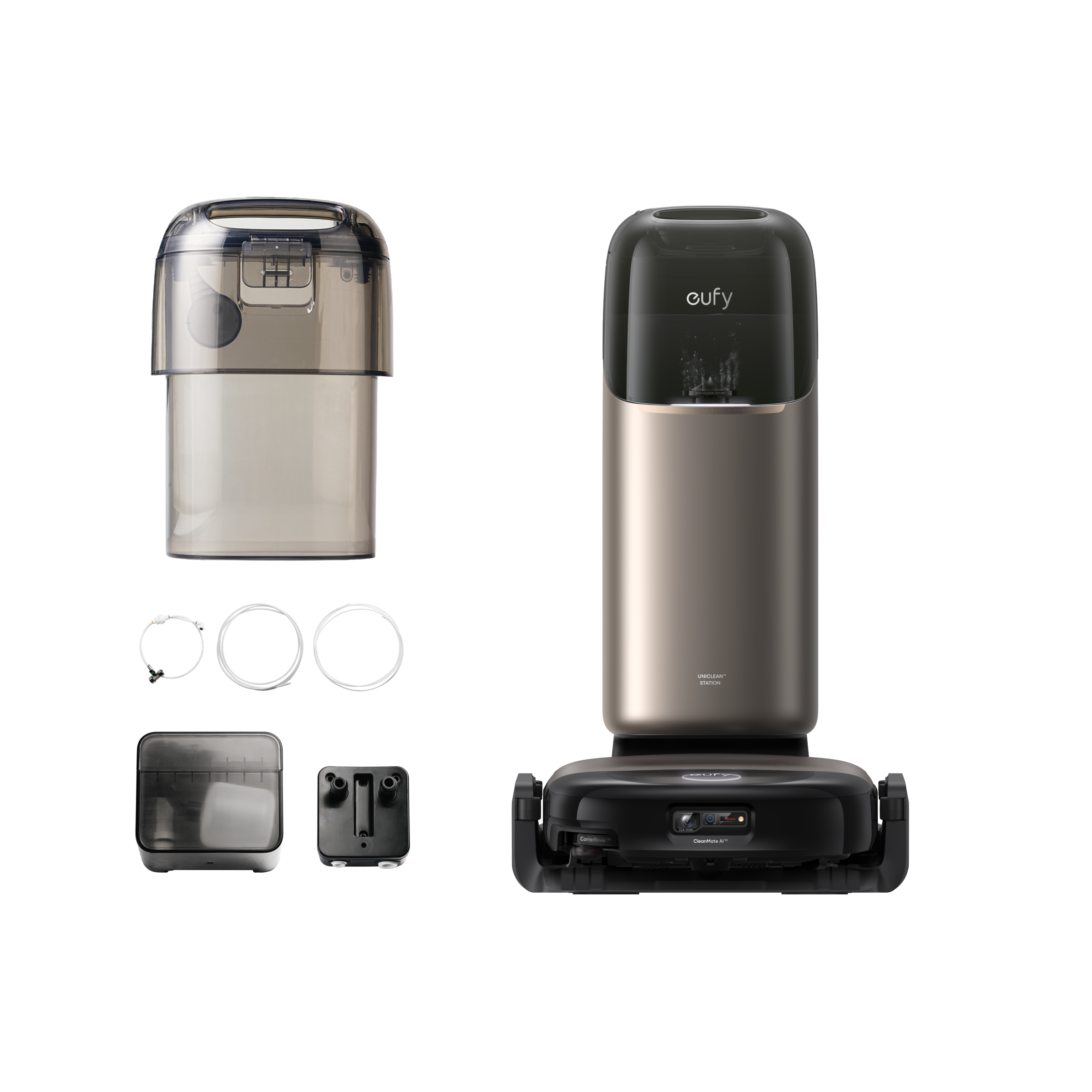
eufy
The T2081111 Omni S2 robot paired with the distinct T210L110 water-service kit; the robot features remain the S2 claims, while the station plan requires a fixed water source, drain and a manual-compliant installation.
Read the assessment ↗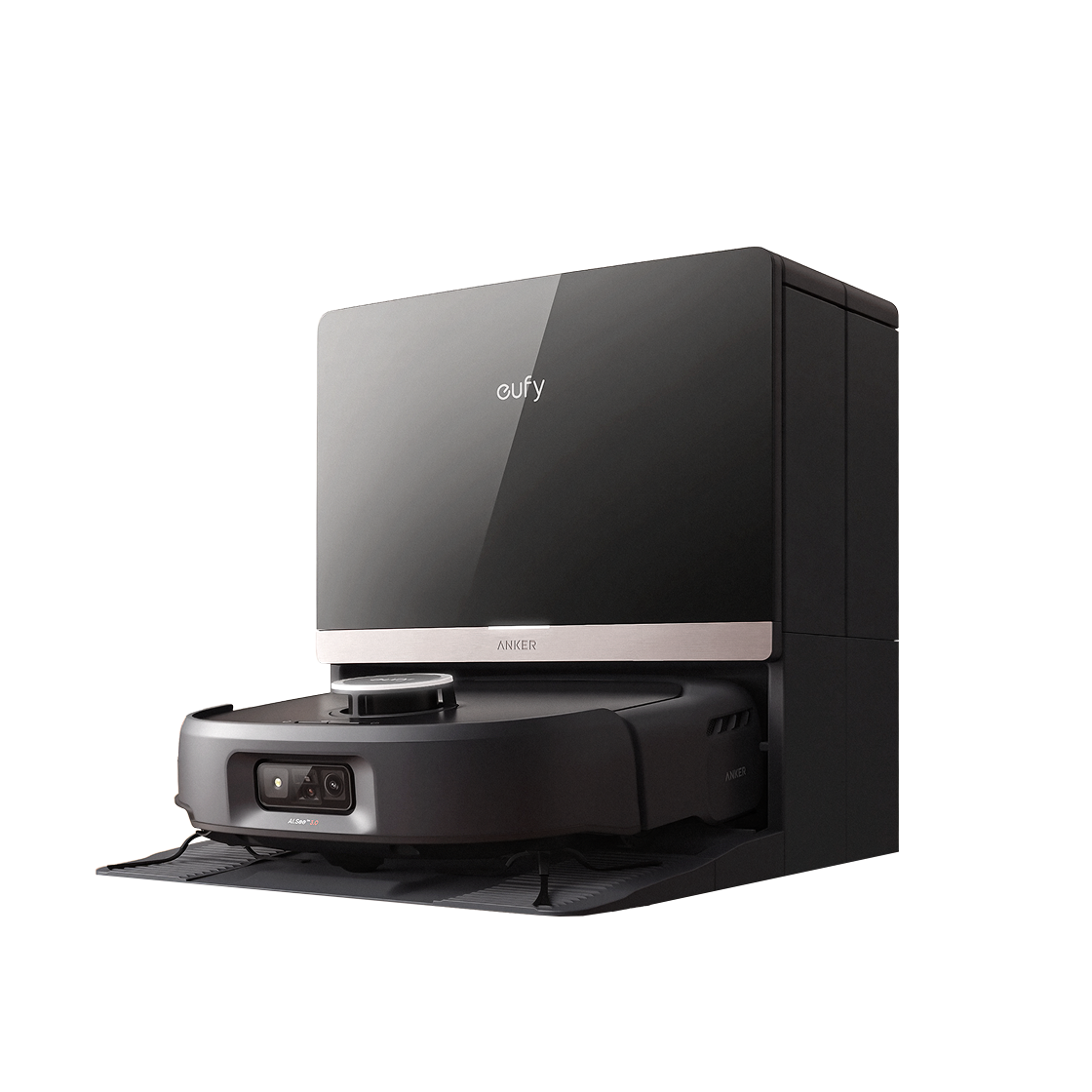
eufy
A roller-mop robot with a removable-tank station, automatic dust emptying and detergent dispensing; its manual lists a 35 kPa suction specification and detailed roller dimensions.
Read the assessment ↗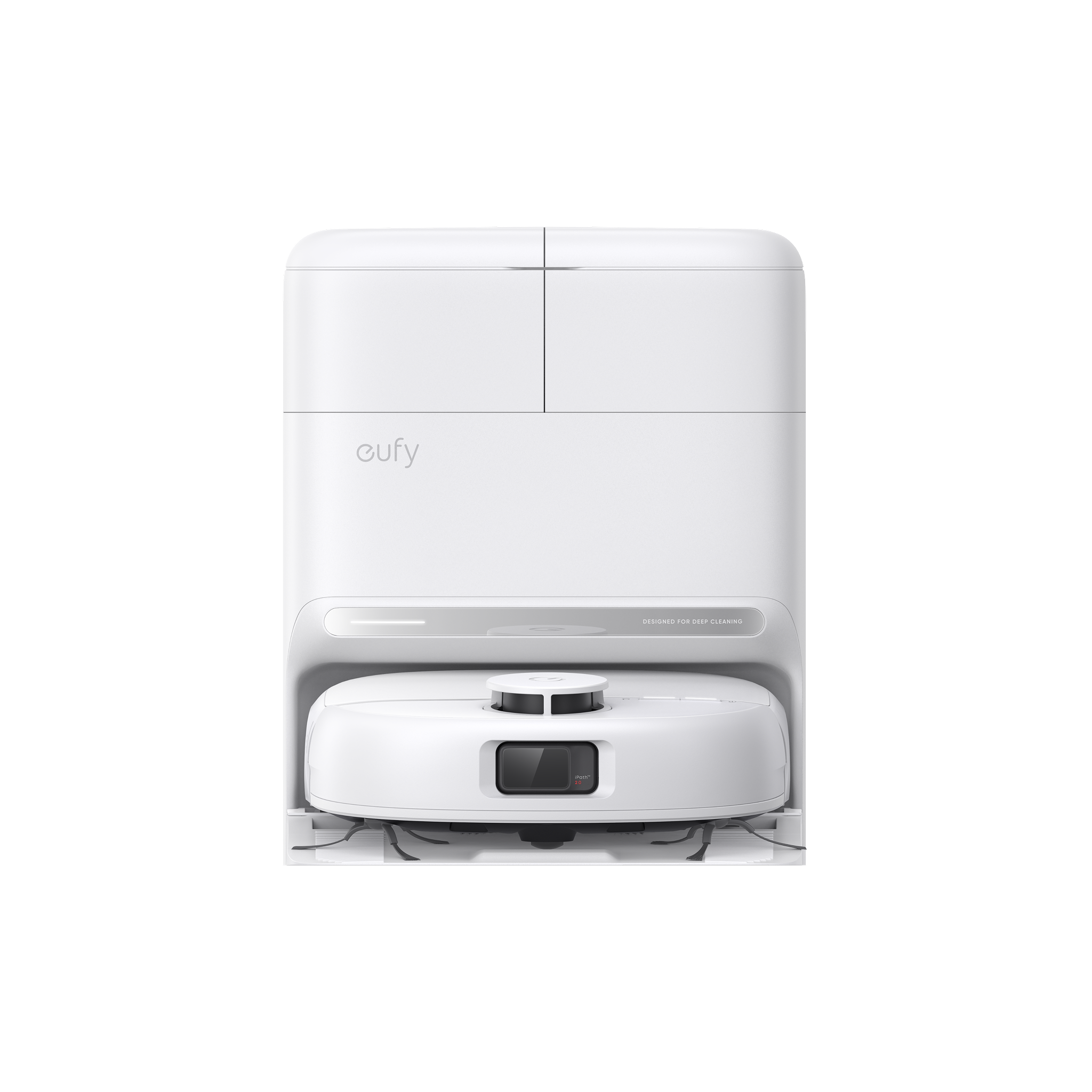
eufy
A roller-mop robot with an automatic dust, water-refill, washing and drying station; its manual cautions against high-pile rugs and its support page sets a 2 cm threshold maximum.
Read the assessment ↗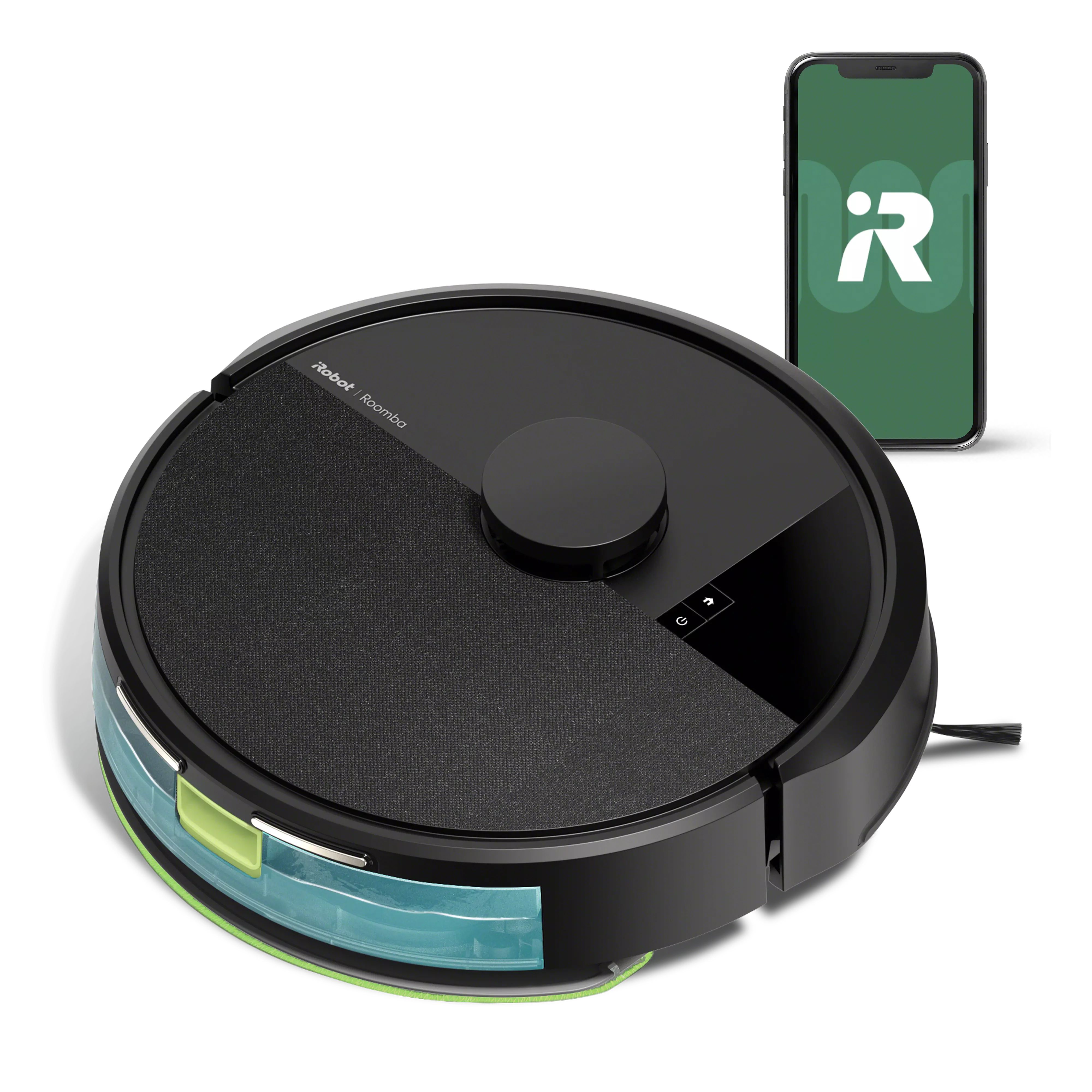
iRobot
A LiDAR-mapped vacuum-and-mop robot with a removable microfiber pad and a charge-only dock; the owner empties dust and cares for the pad.
Read the assessment ↗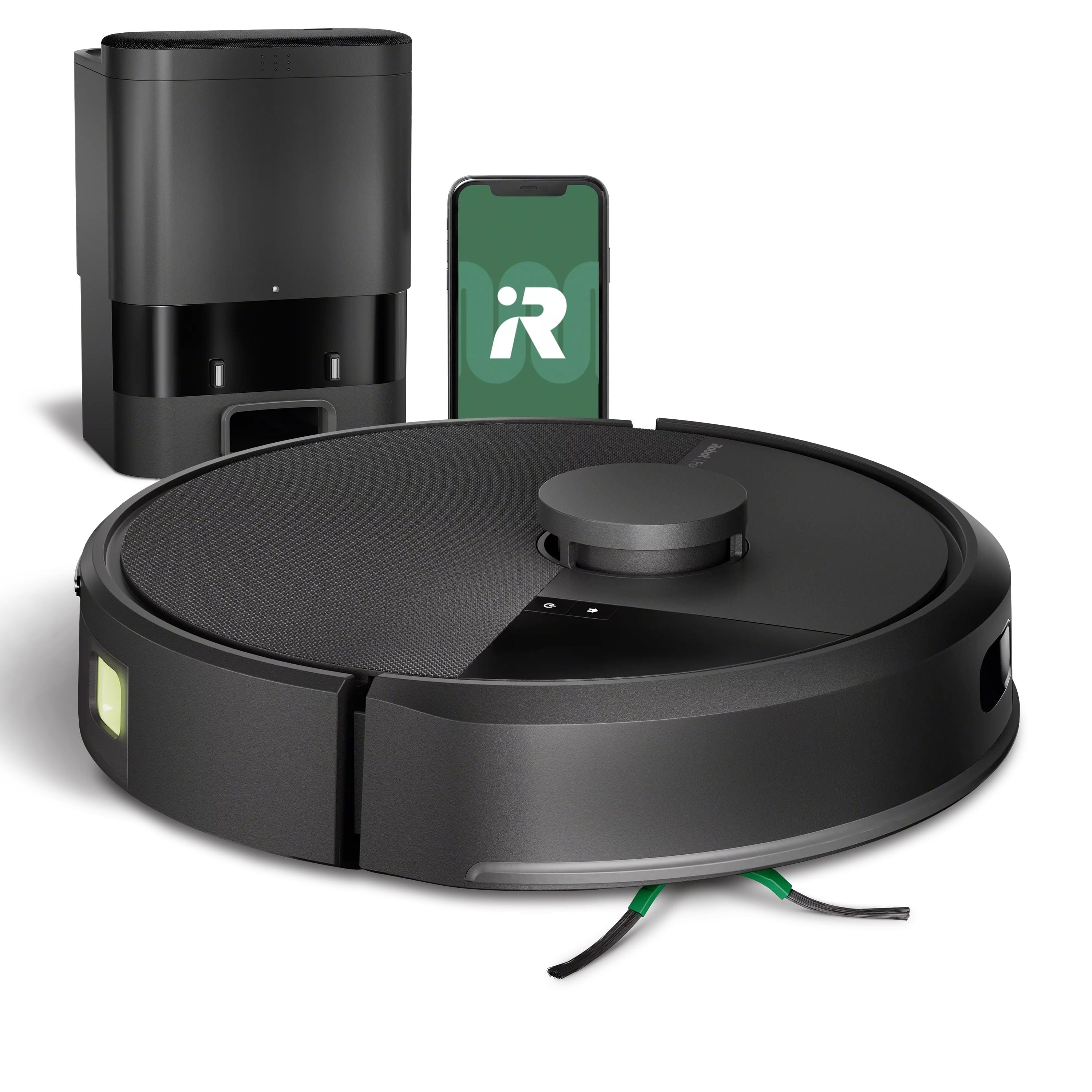
iRobot
A vacuum-only, ClearView LiDAR robot with a bagged AutoEmpty dock; the station transfers dust but supplies no mop or water service.
Read the assessment ↗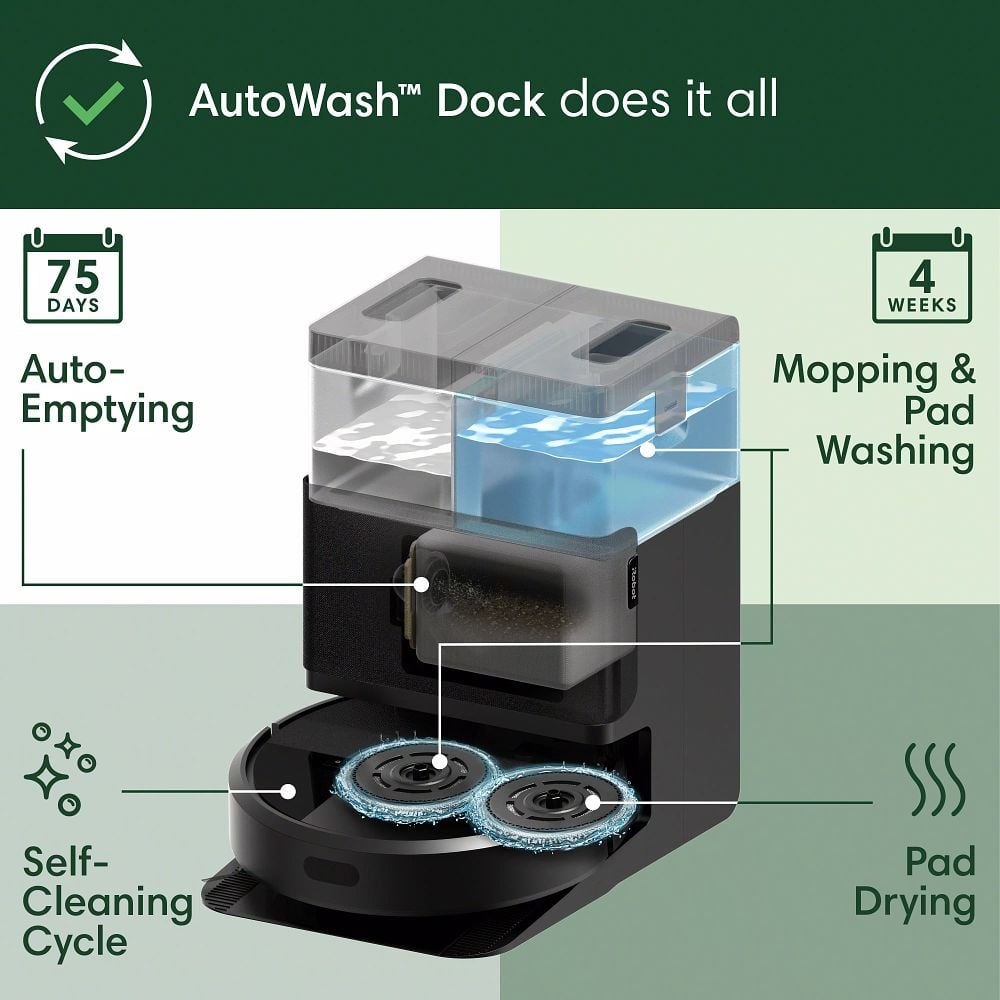
iRobot
A U.S. vacuum-mop offer with DualClean spinning pads, four cleaning modes, LiDAR mapping, and an AutoWash dock that empties debris, washes pads, and dries them.
Read the assessment ↗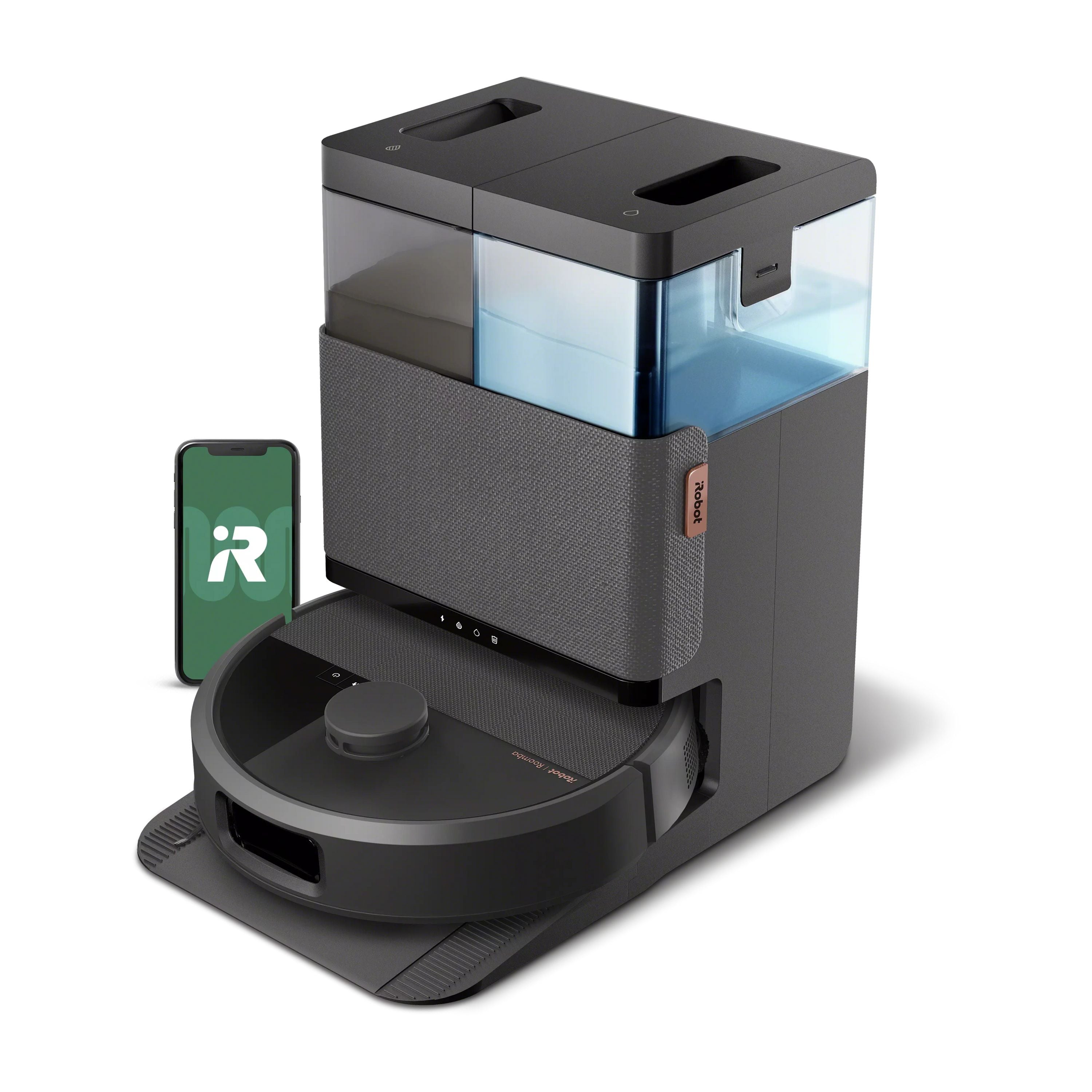
iRobot
A dual-spinning-pad vacuum-mop package whose tank-based dock transfers dust, refreshes and washes the pads, then dries them; the owner still services the removable water tanks.
Read the assessment ↗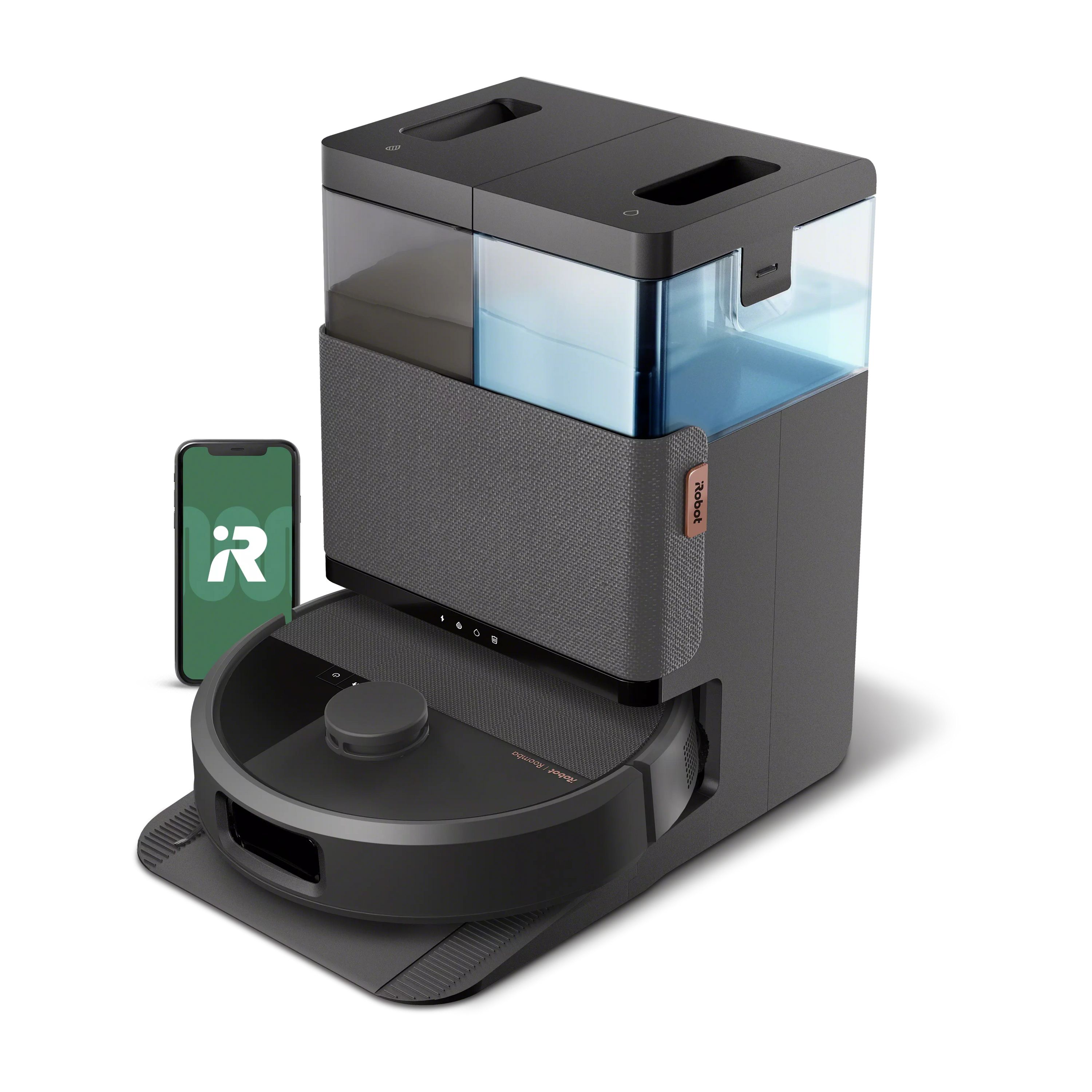
iRobot
A mapped vacuum-mop package with two rotating pads and a tank-based AutoWash dock that empties dust, refreshes and washes the pads, then dries them with forced air.
Read the assessment ↗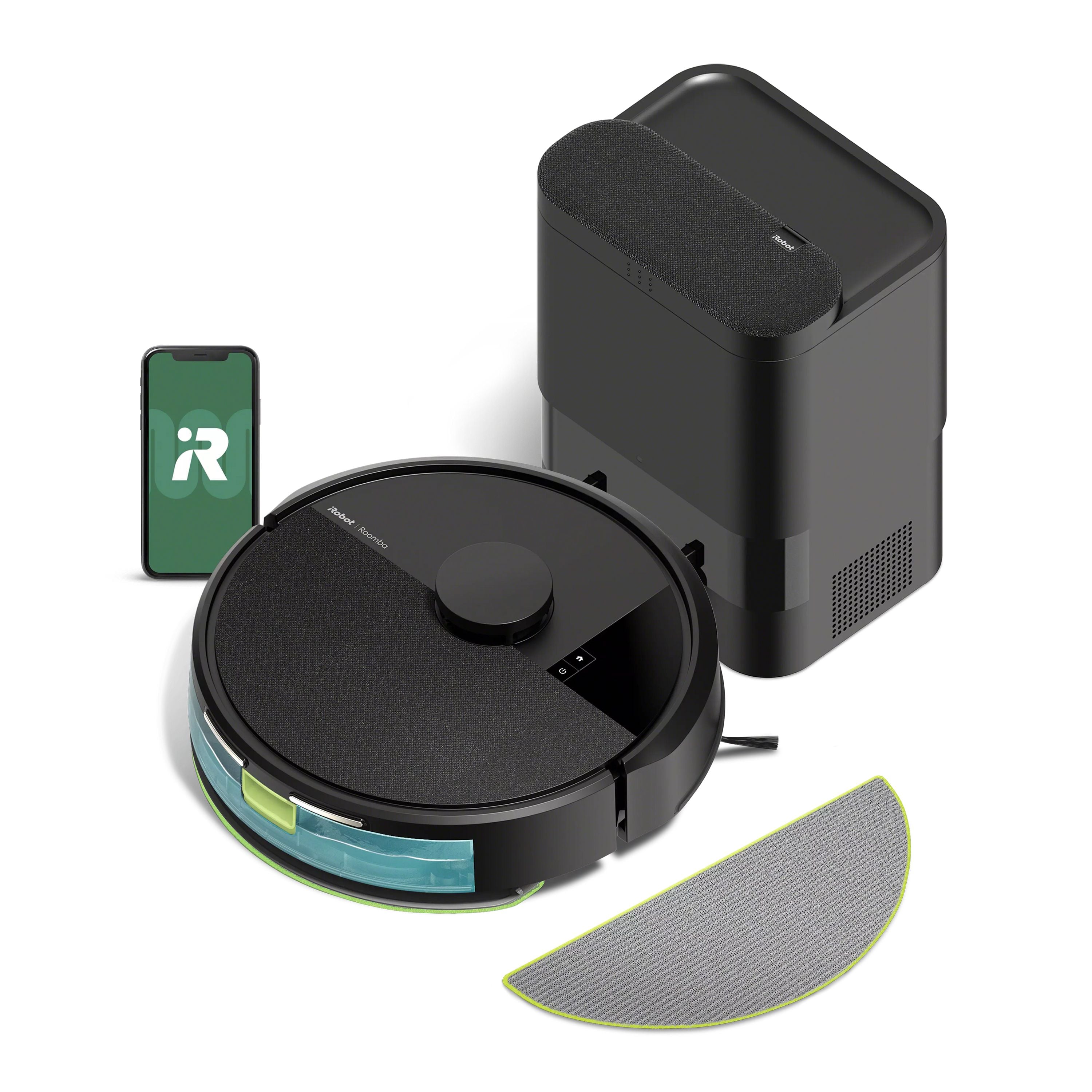
iRobot
The same basic mapped flat-pad vacuum-mop arrangement with a bagged dock that transfers dust; mop cloth care remains manual.
Read the assessment ↗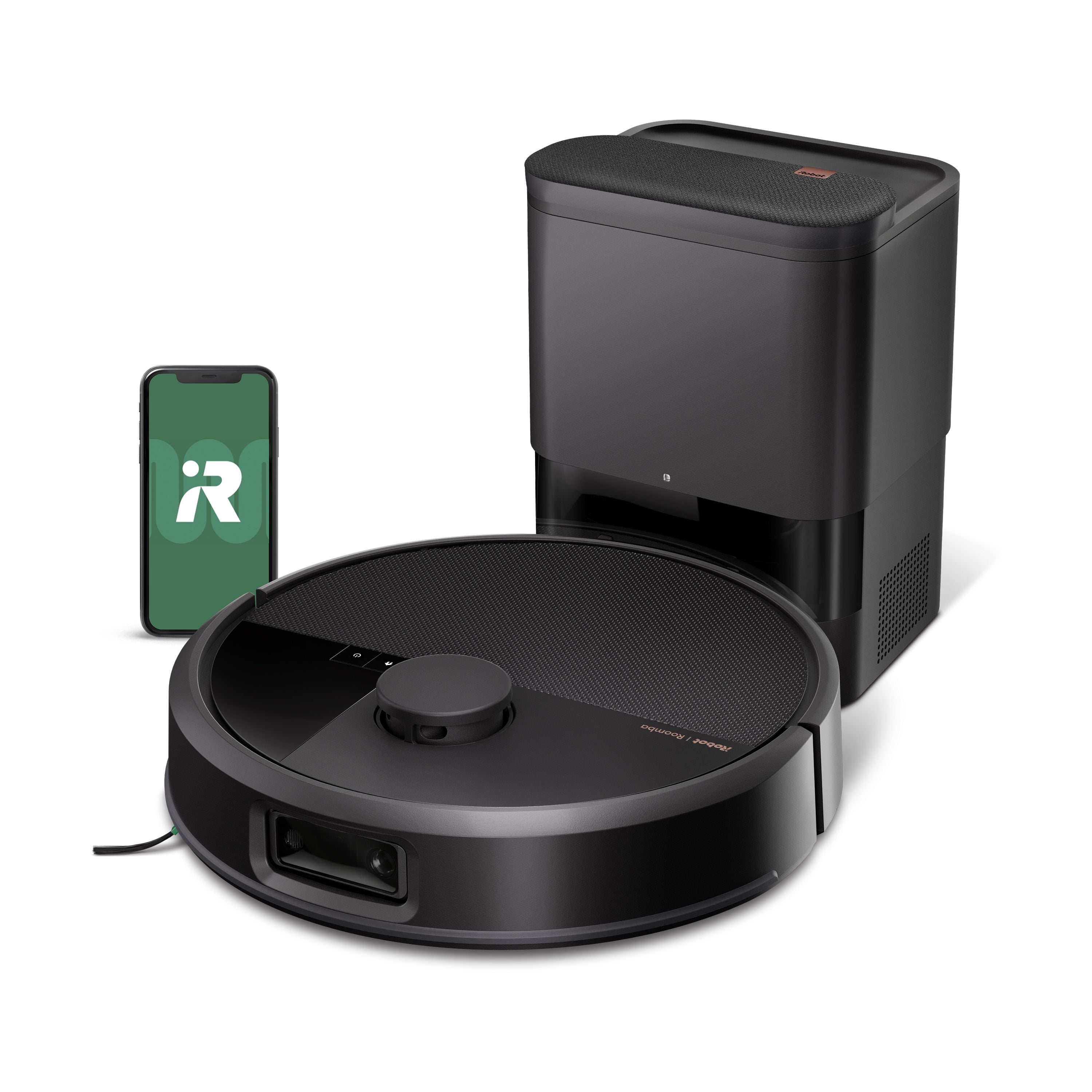
iRobot
A LiDAR-mapped, vacuum-only robot with a bagged AutoEmpty/AutoEvac dust dock, 2.4/5 GHz Wi-Fi setup support and a manufacturer-listed 6,000 mAh LFP battery.
Read the assessment ↗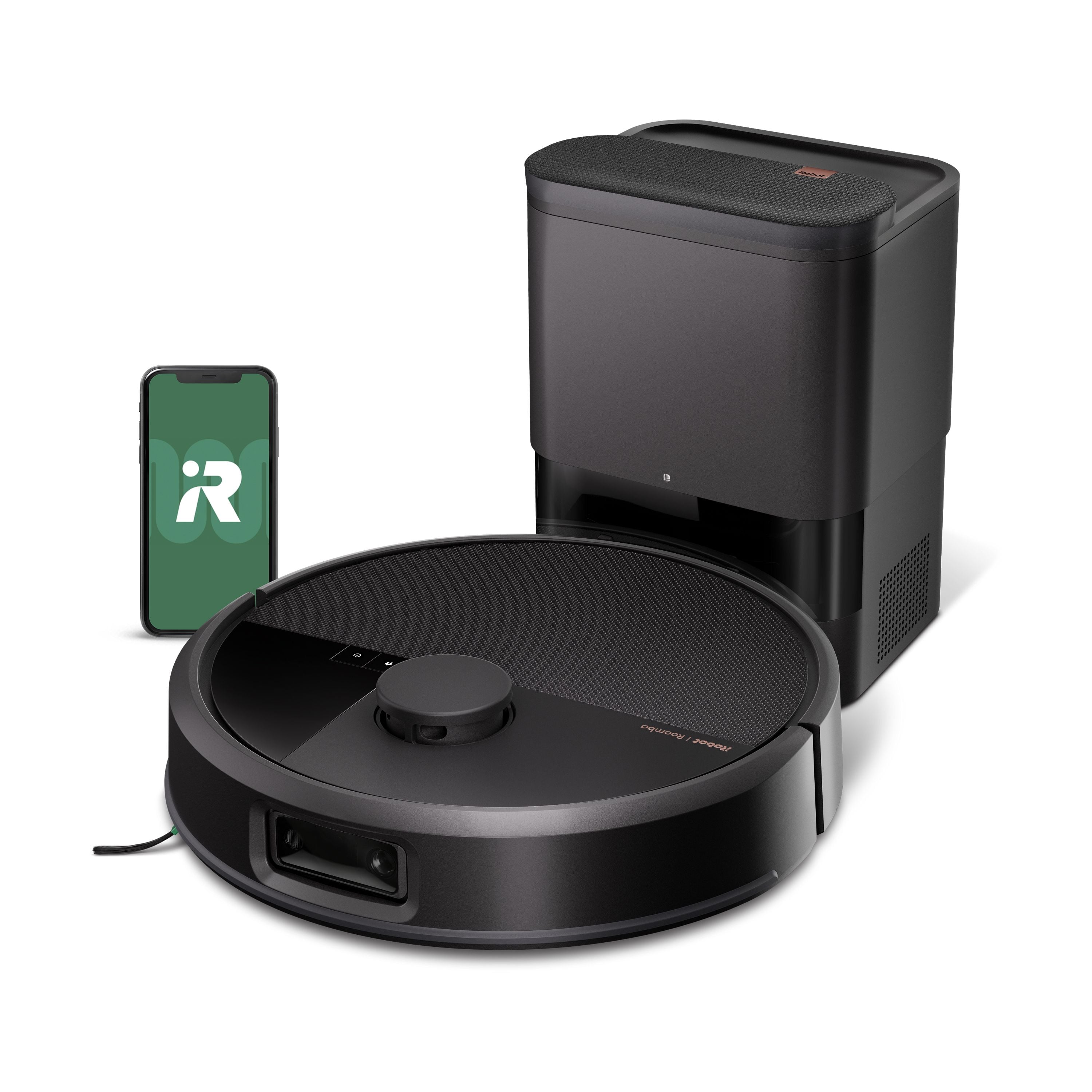
iRobot
A mapped vacuum-only robot with a bagged dust-transfer dock, four app suction settings and support for 2.4 and 5 GHz Wi-Fi; it does not mop or wash a mop.
Read the assessment ↗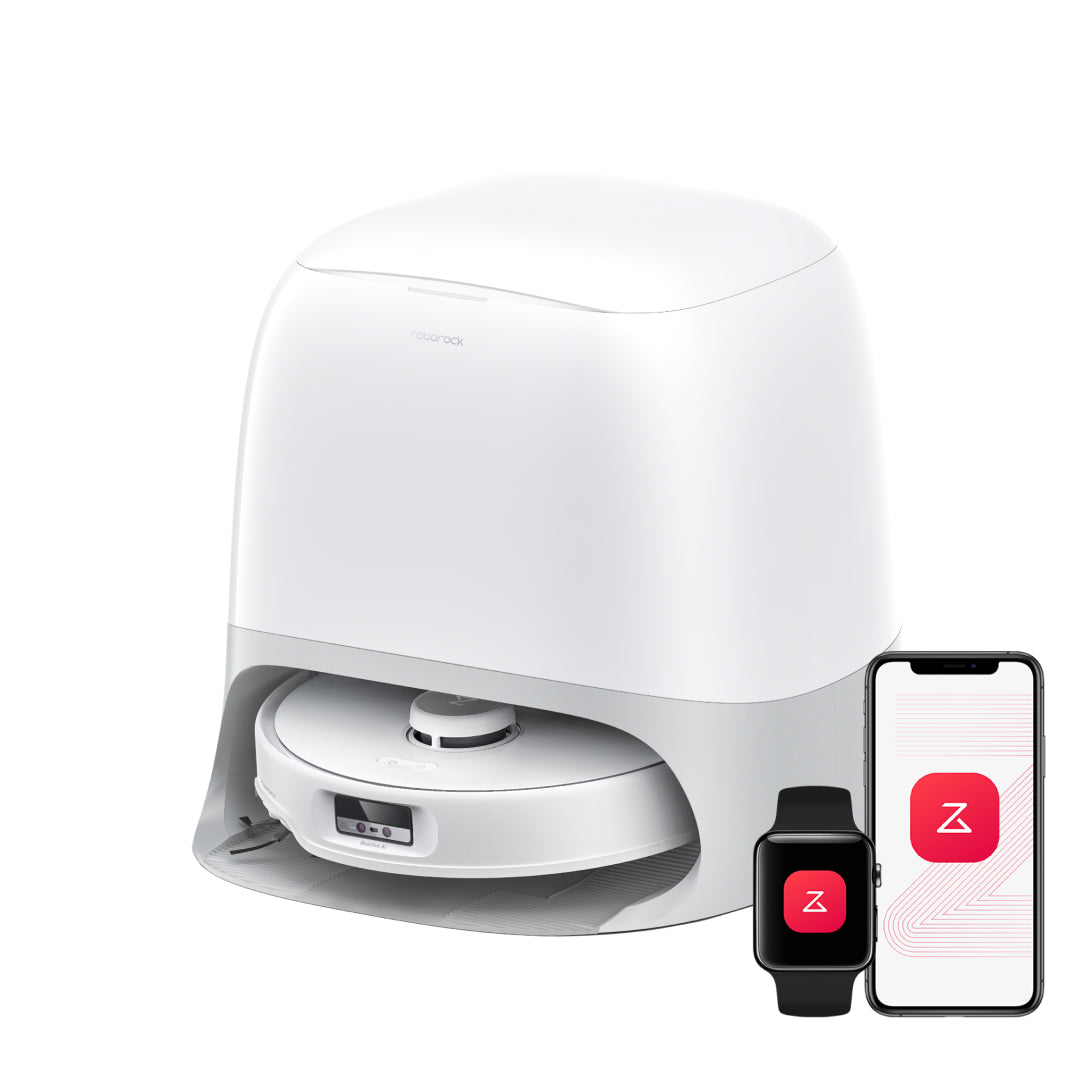
Roborock
A vacuum-and-spinning-mop robot with an auto-empty, hot-water mop-wash, refill and drying dock; the robot itself stands 4.1 inches tall.
Read the assessment ↗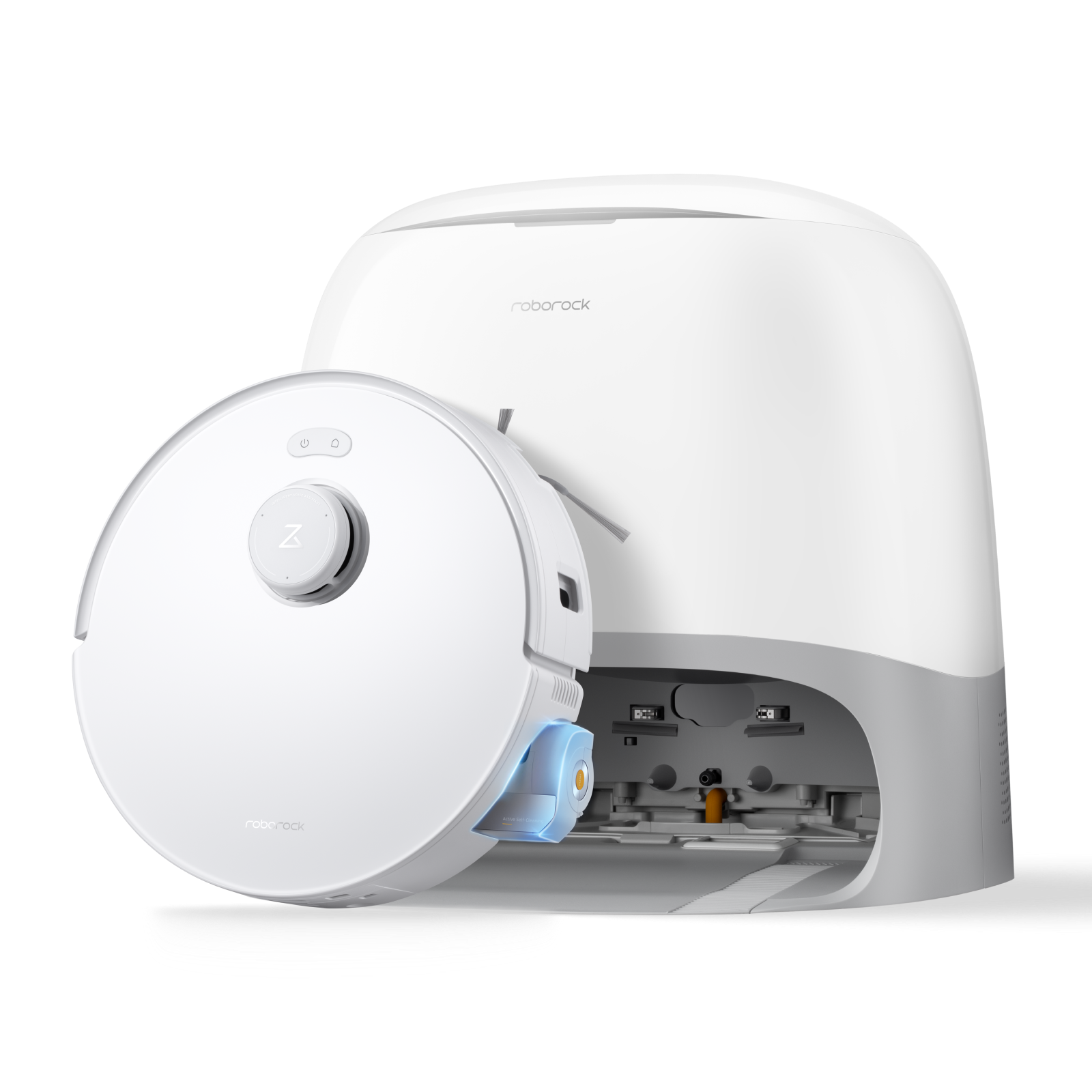
Roborock
A tall, app-connected vacuum-mop with a continuously refreshed roller, removable-tank wash dock, dust auto-emptying and carpet limits.
Read the assessment ↗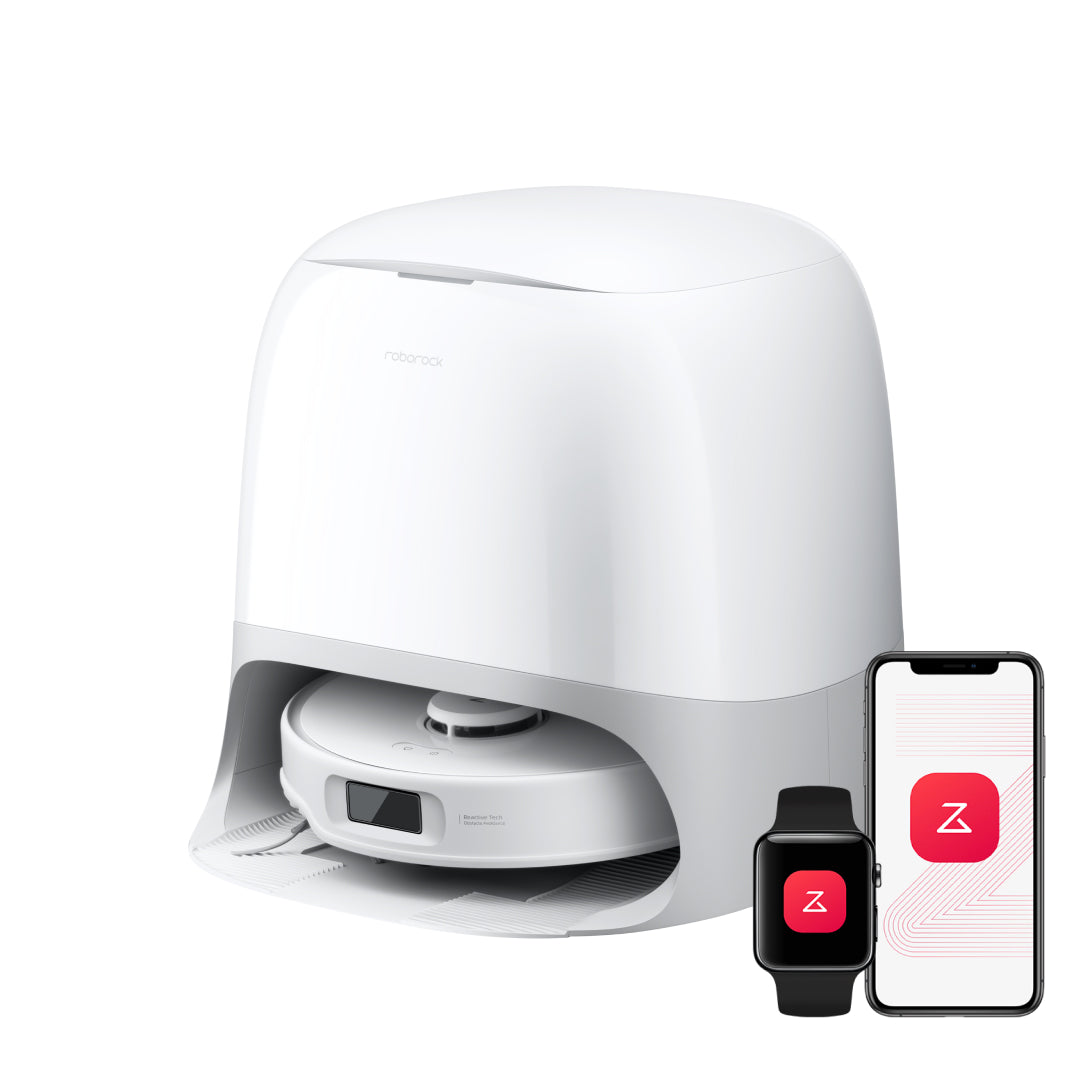
Roborock
A spinning-pad robot vacuum-mop with a 3.9-inch body and a Multifunctional Dock 3.0 that washes pads at up to 75°C.
Read the assessment ↗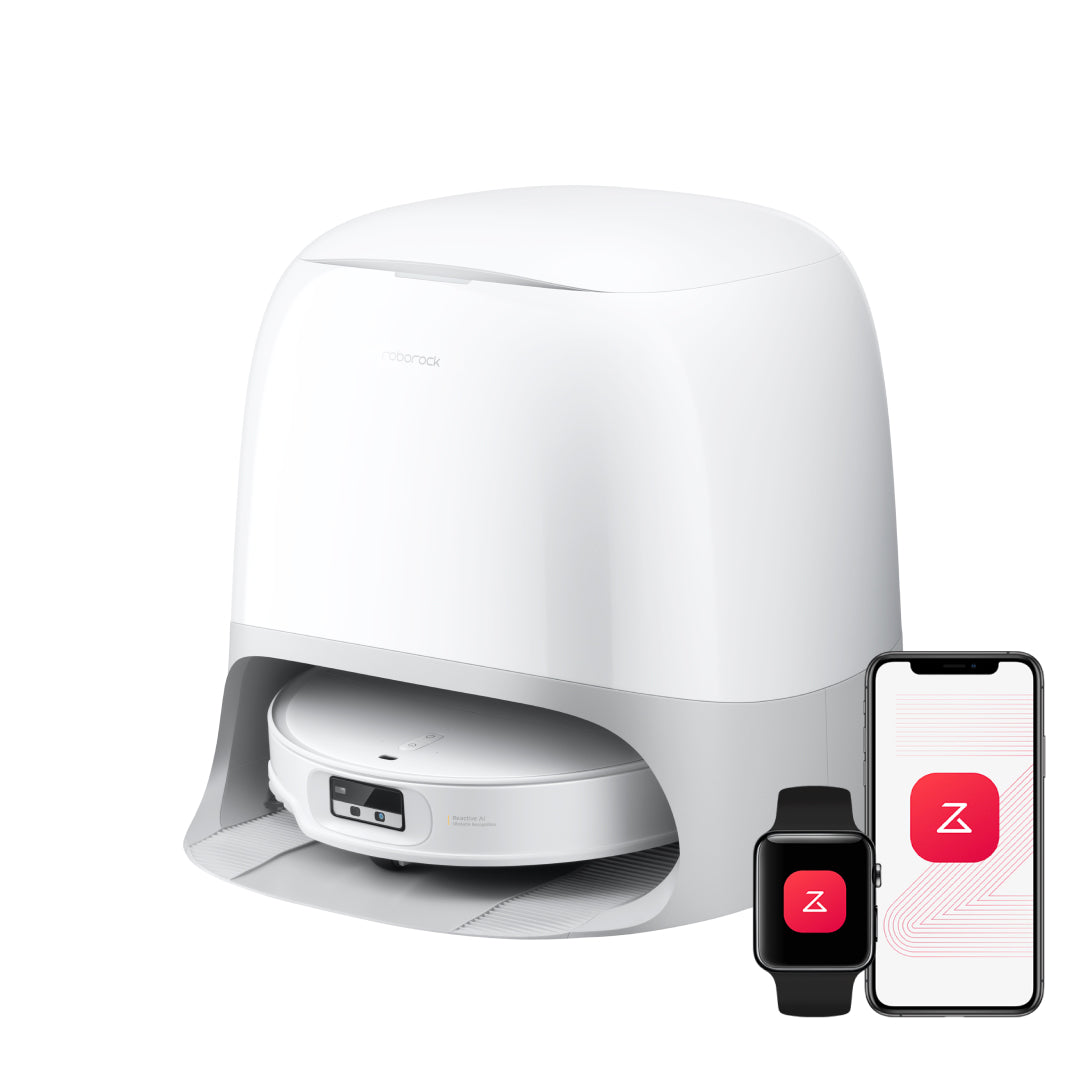
Roborock
A shorter Curv-generation vacuum-and-mop robot with retractable LiDAR, warm-water mopping and an 80°C mop-wash dock.
Read the assessment ↗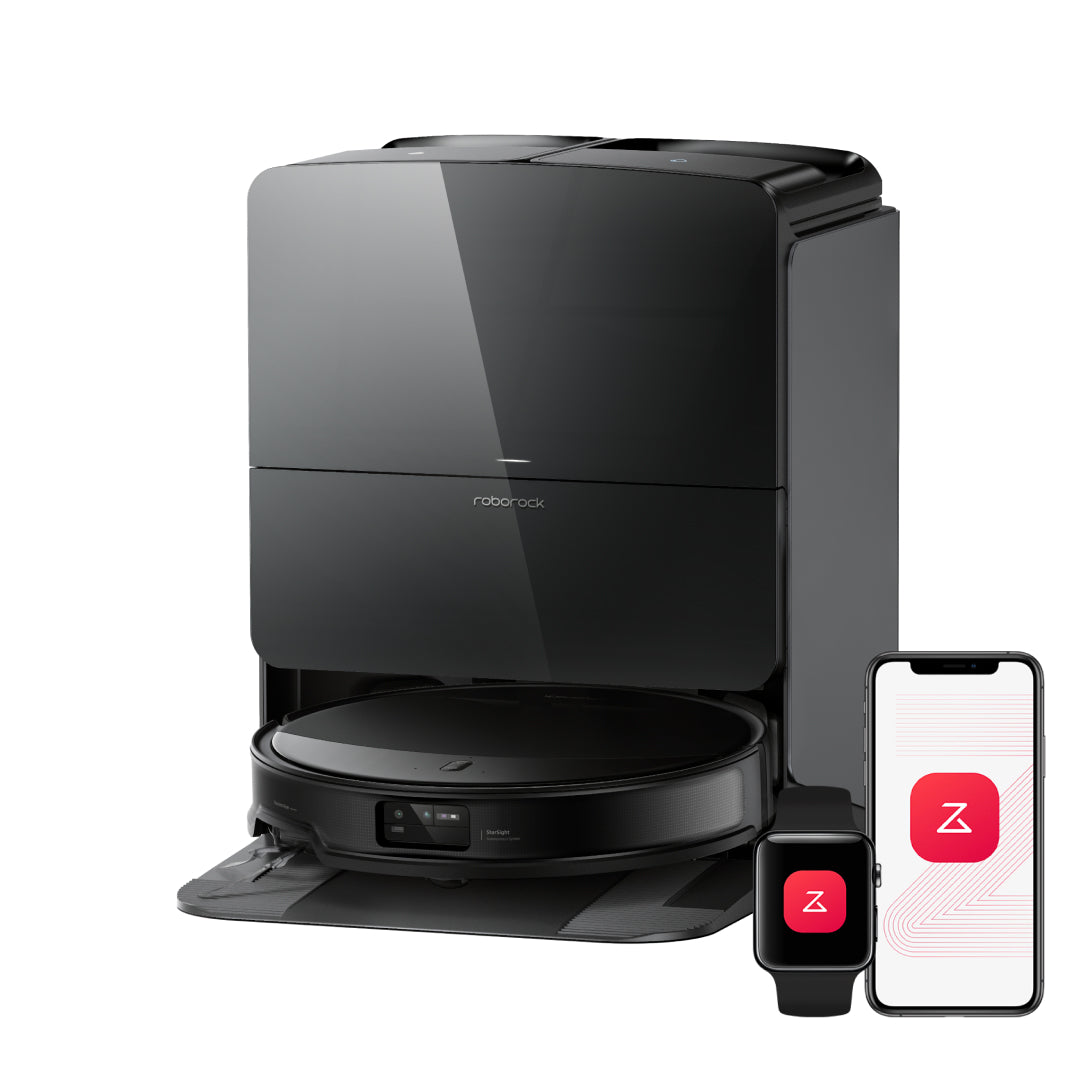
Roborock
A low-profile robot vacuum-mop with dual spinning pads, solid-state 3D ToF navigation and a wash, dry and auto-empty dock.
Read the assessment ↗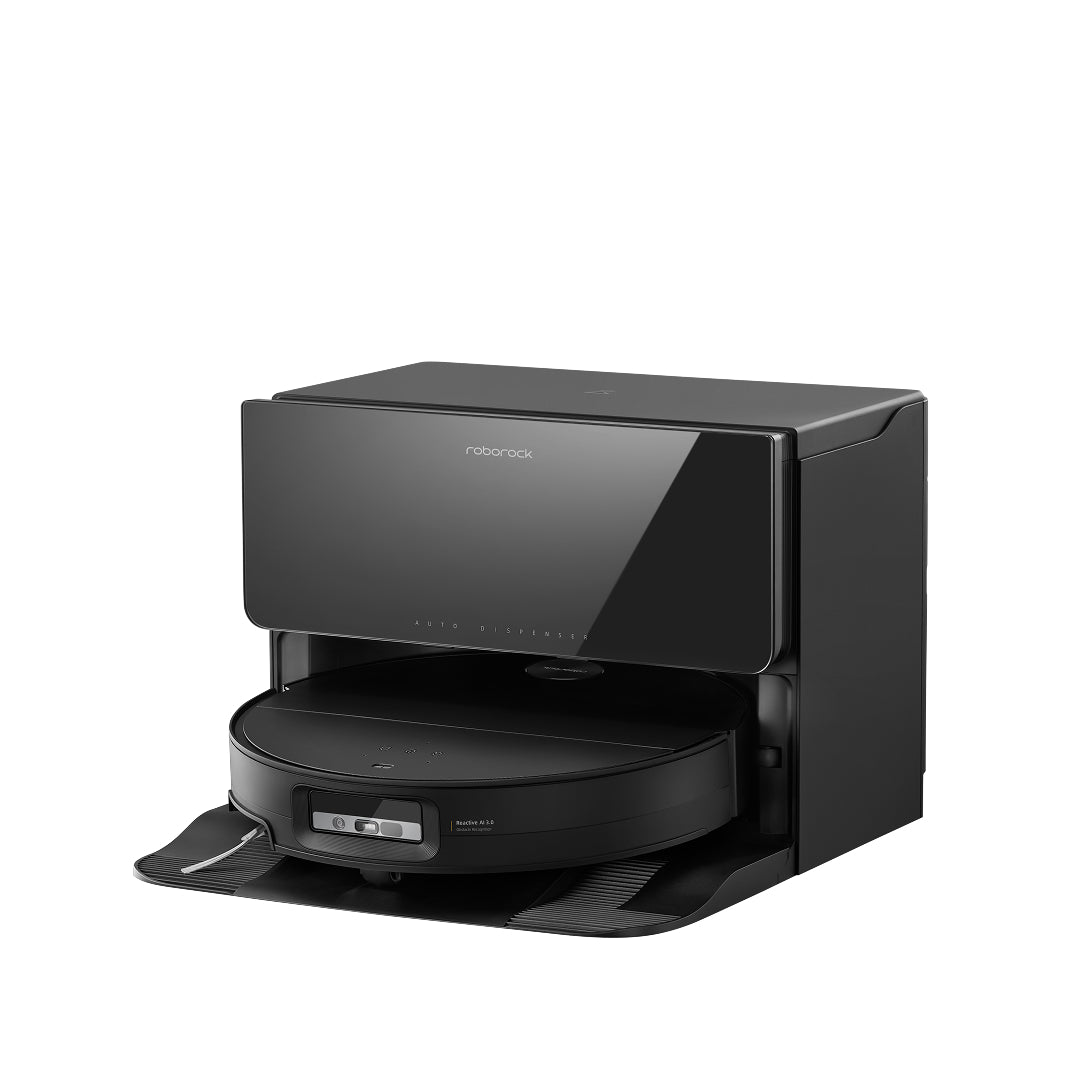
Roborock
A low-profile vacuum-mop with a plumbing-connected dock that automatically supplies and drains water, alongside hot mop washing and dust emptying.
Read the assessment ↗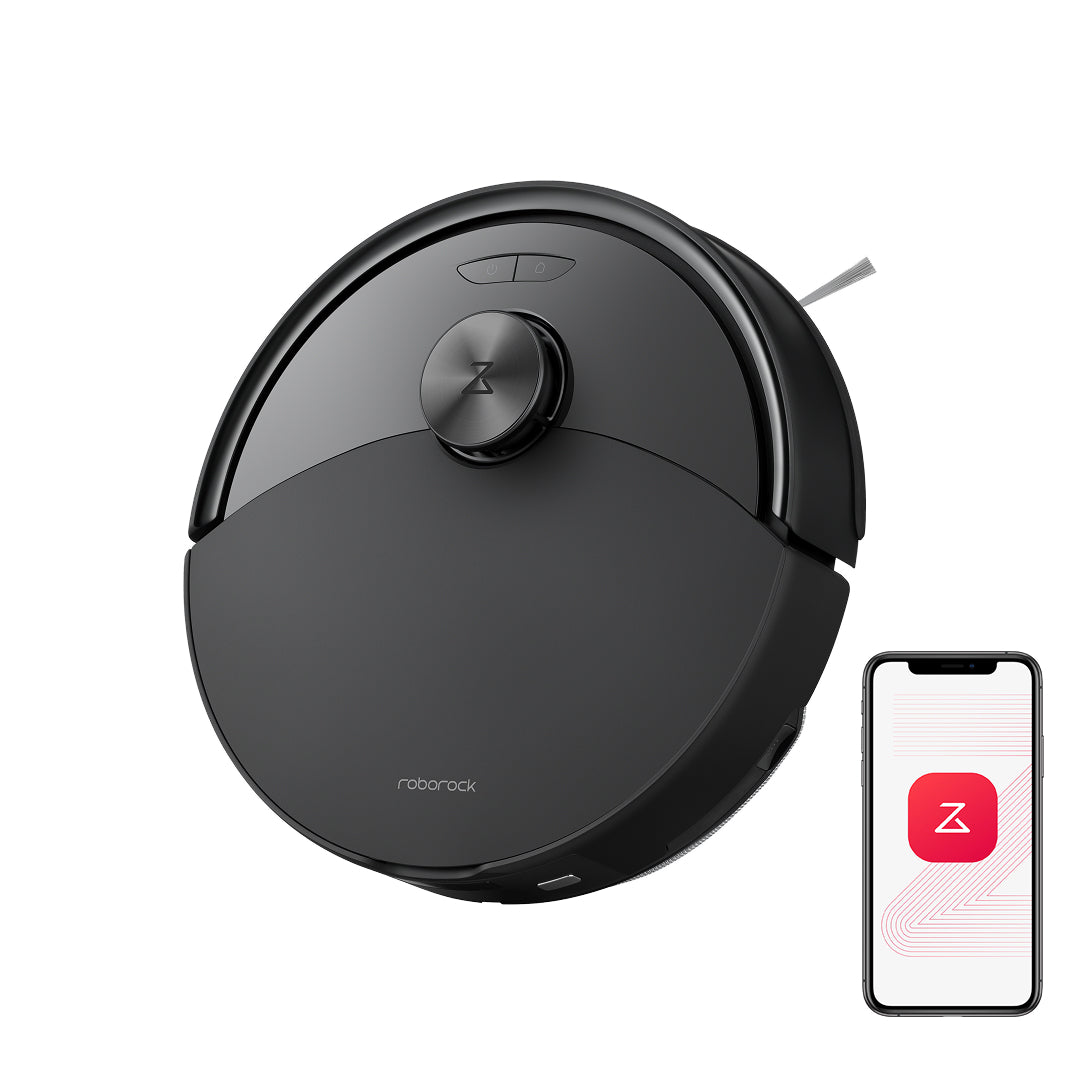
Roborock
A mapped robot vacuum with a VibraRise 2.0 vibrating cloth mop and a standard charging dock that leaves bin emptying to you.
Read the assessment ↗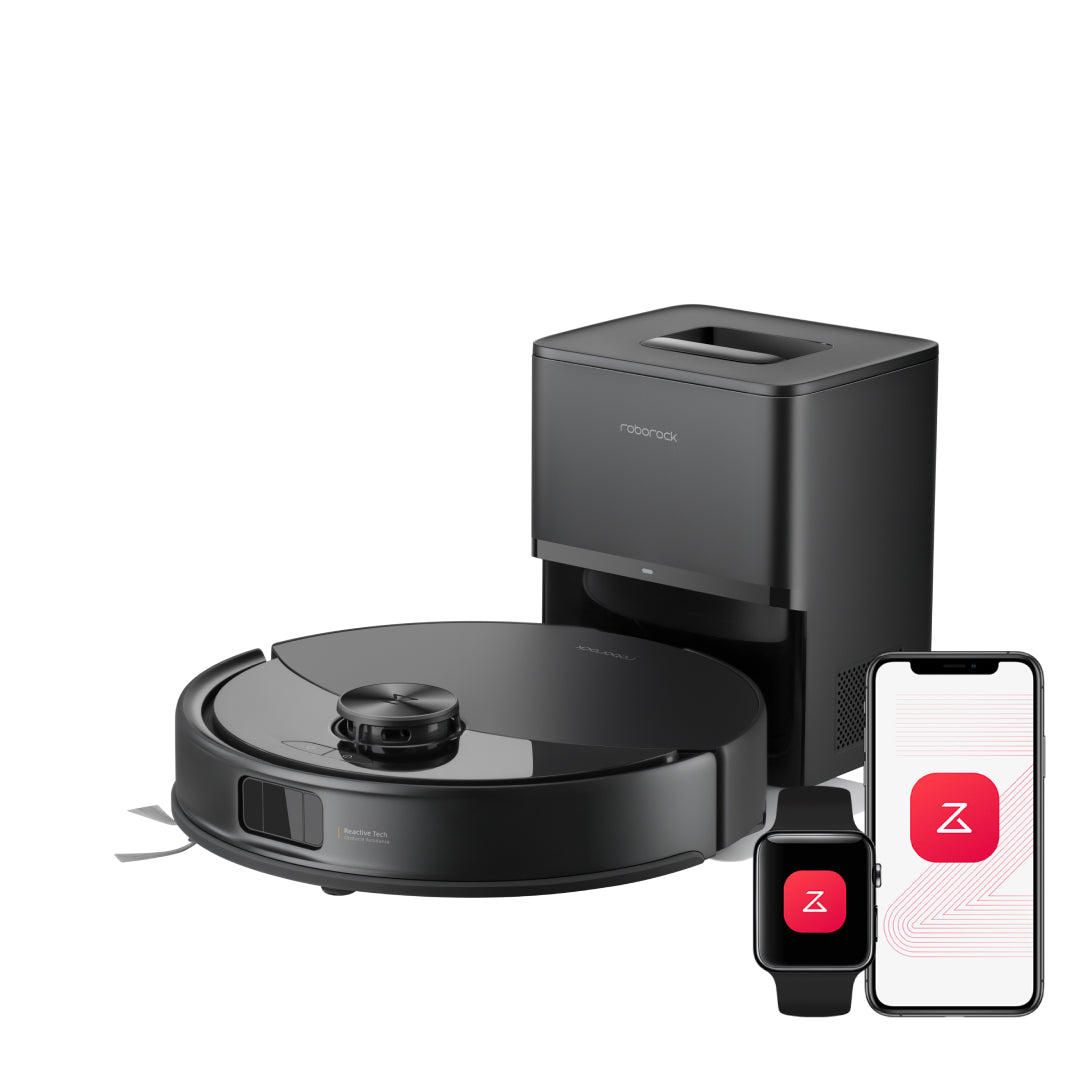
Roborock
A LiDAR-mapped robot vacuum with a vibrating VibraRise 2.0 cloth mop and a compact dust-emptying dock.
Read the assessment ↗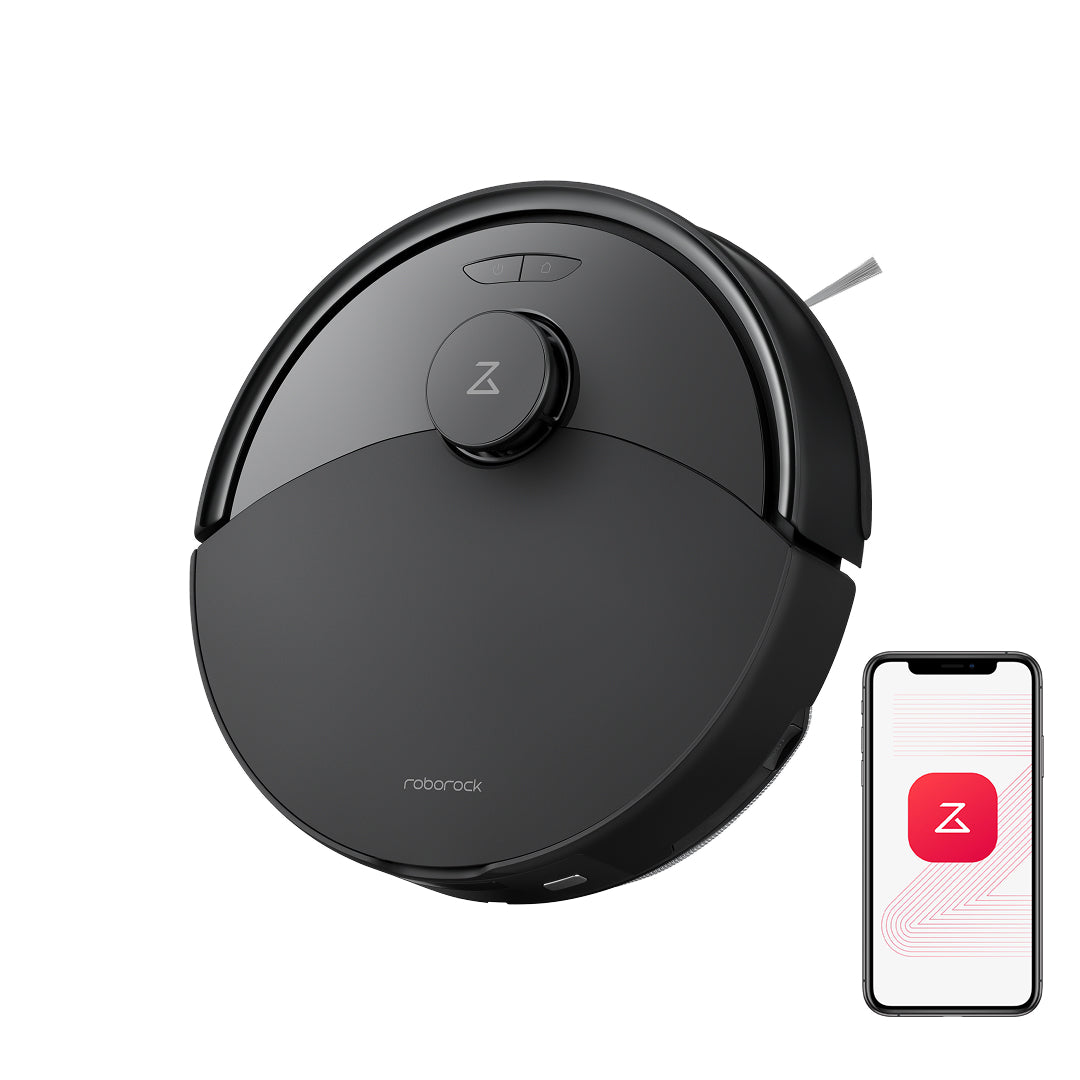
Roborock
A mapped robot vacuum with an automatically lifted cloth mop pad and a standard charging dock that leaves bin emptying to you.
Read the assessment ↗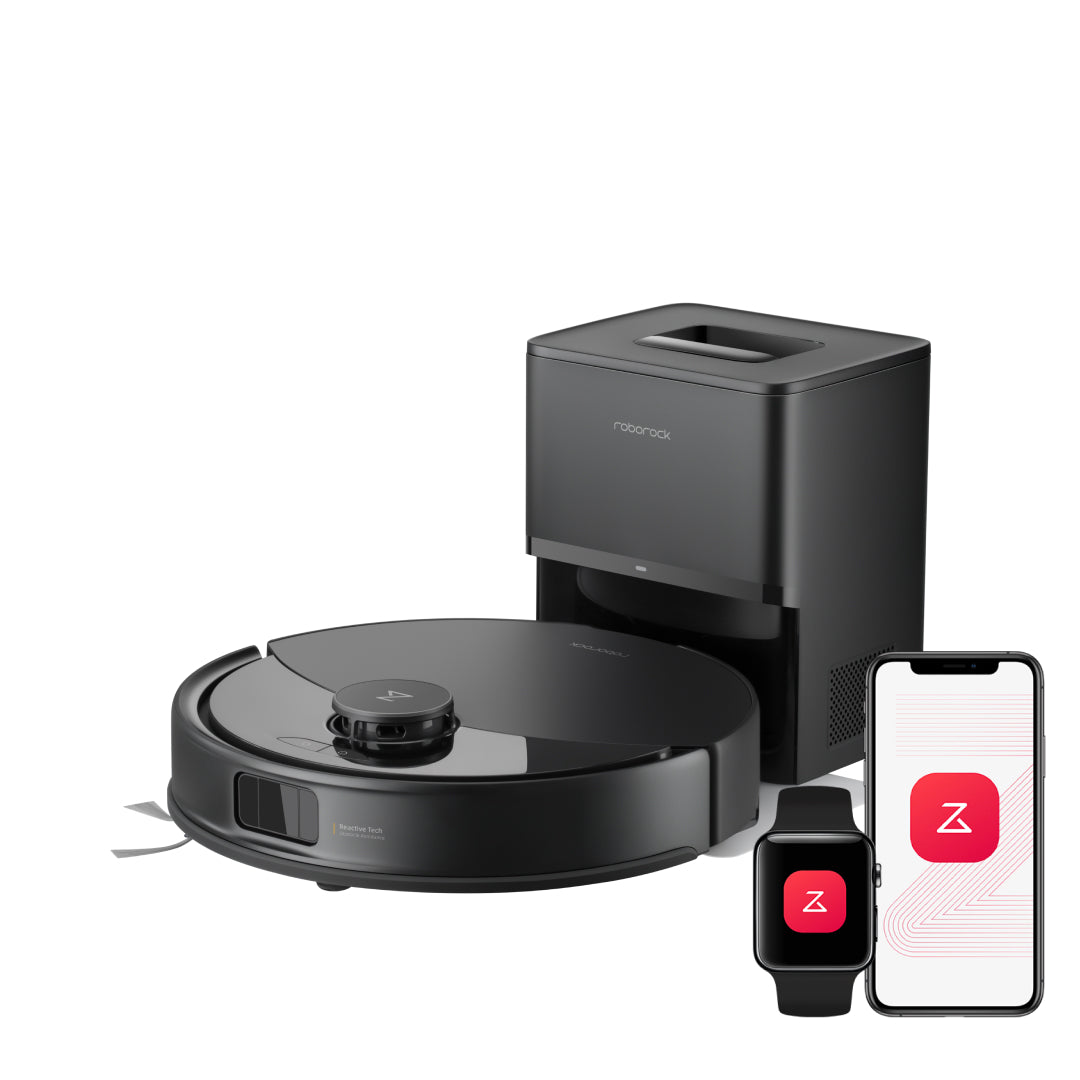
Roborock
A LiDAR-mapped robot vacuum with a carpet-lifting mop pad and a compact dust-emptying dock.
Read the assessment ↗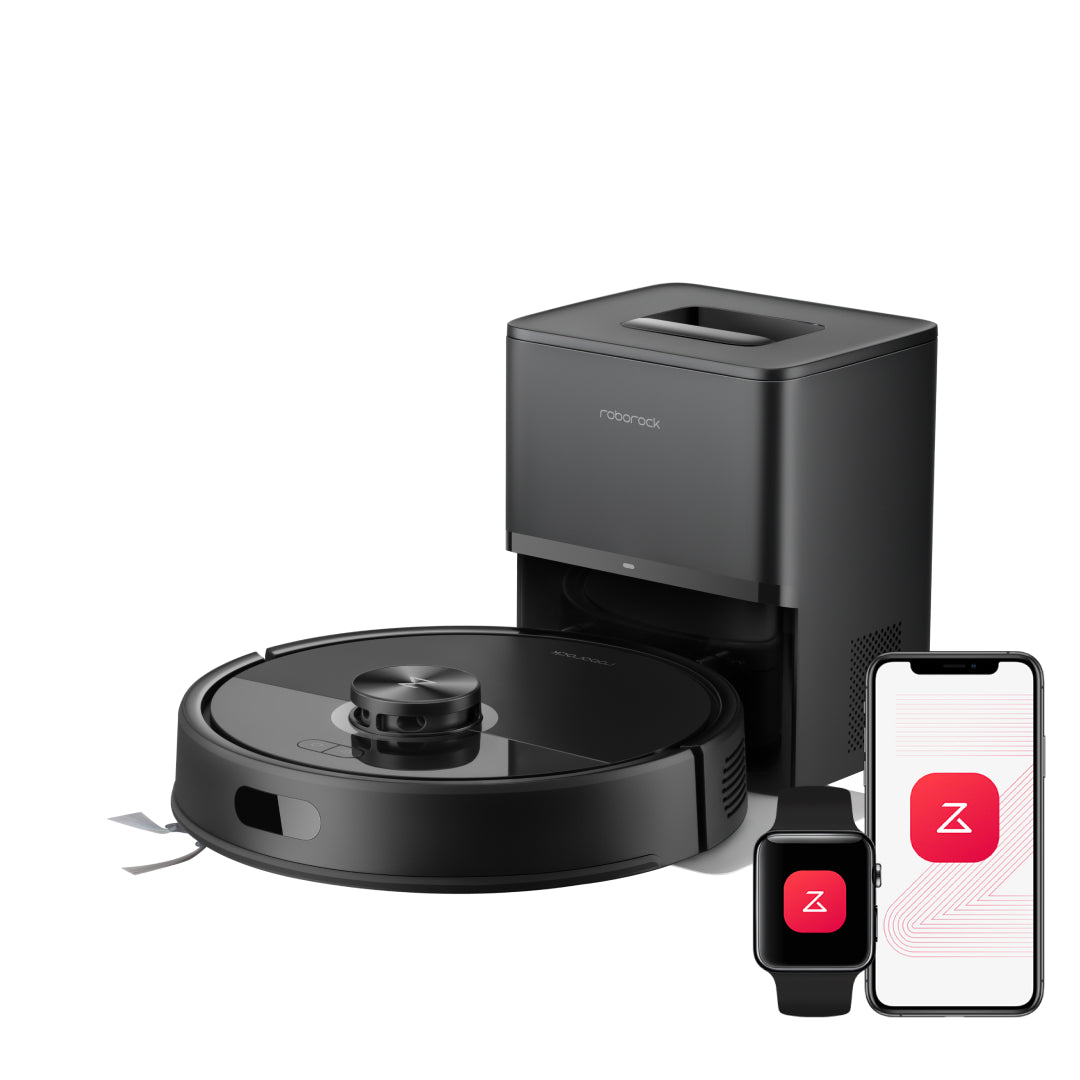
Roborock
A LiDAR-mapped vacuum-mop with a flat water-fed cloth, three water-flow levels and a dust auto-empty dock.
Read the assessment ↗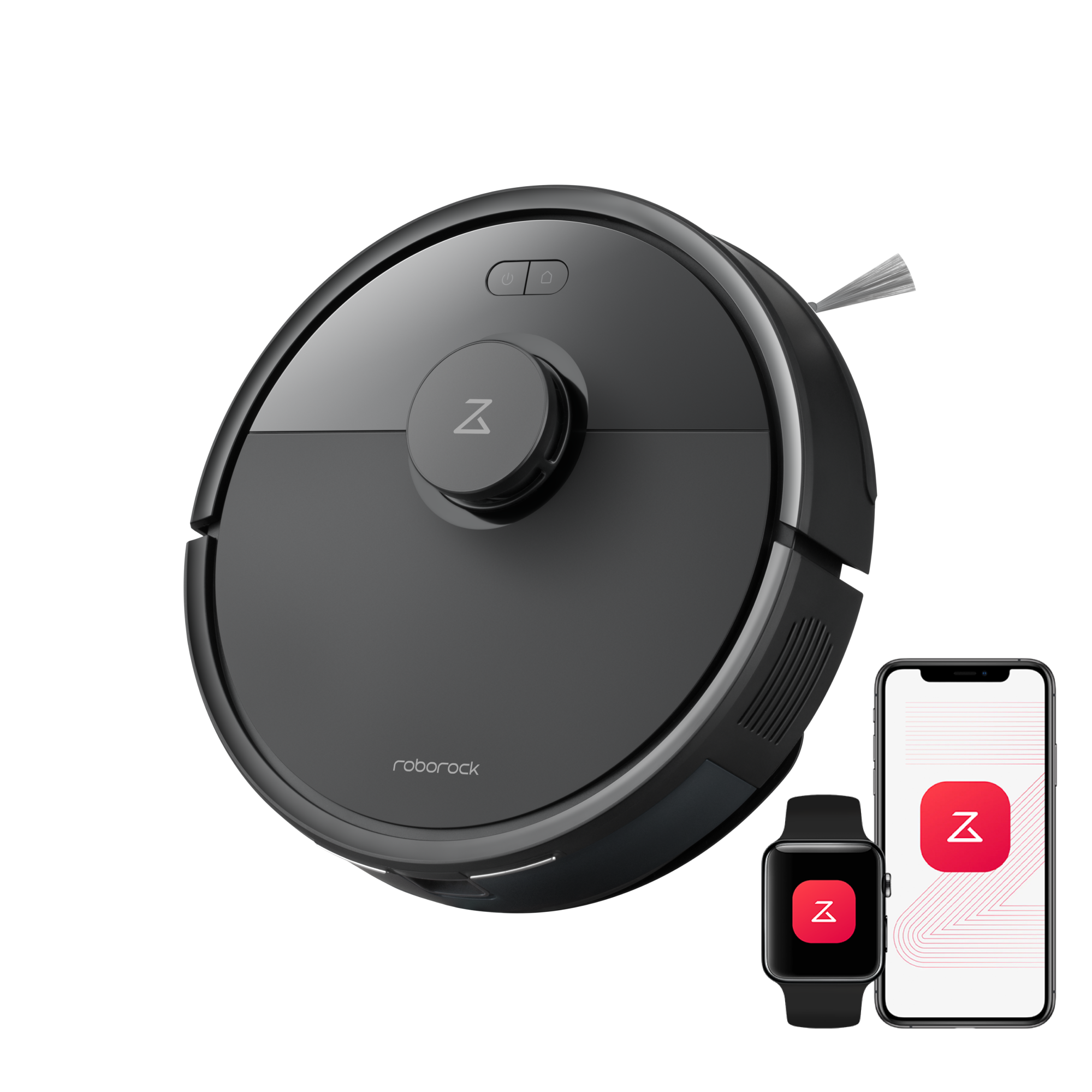
Roborock
A LiDAR-mapped vacuum-mop with a flat three-flow cloth and a standard charging-only dock.
Read the assessment ↗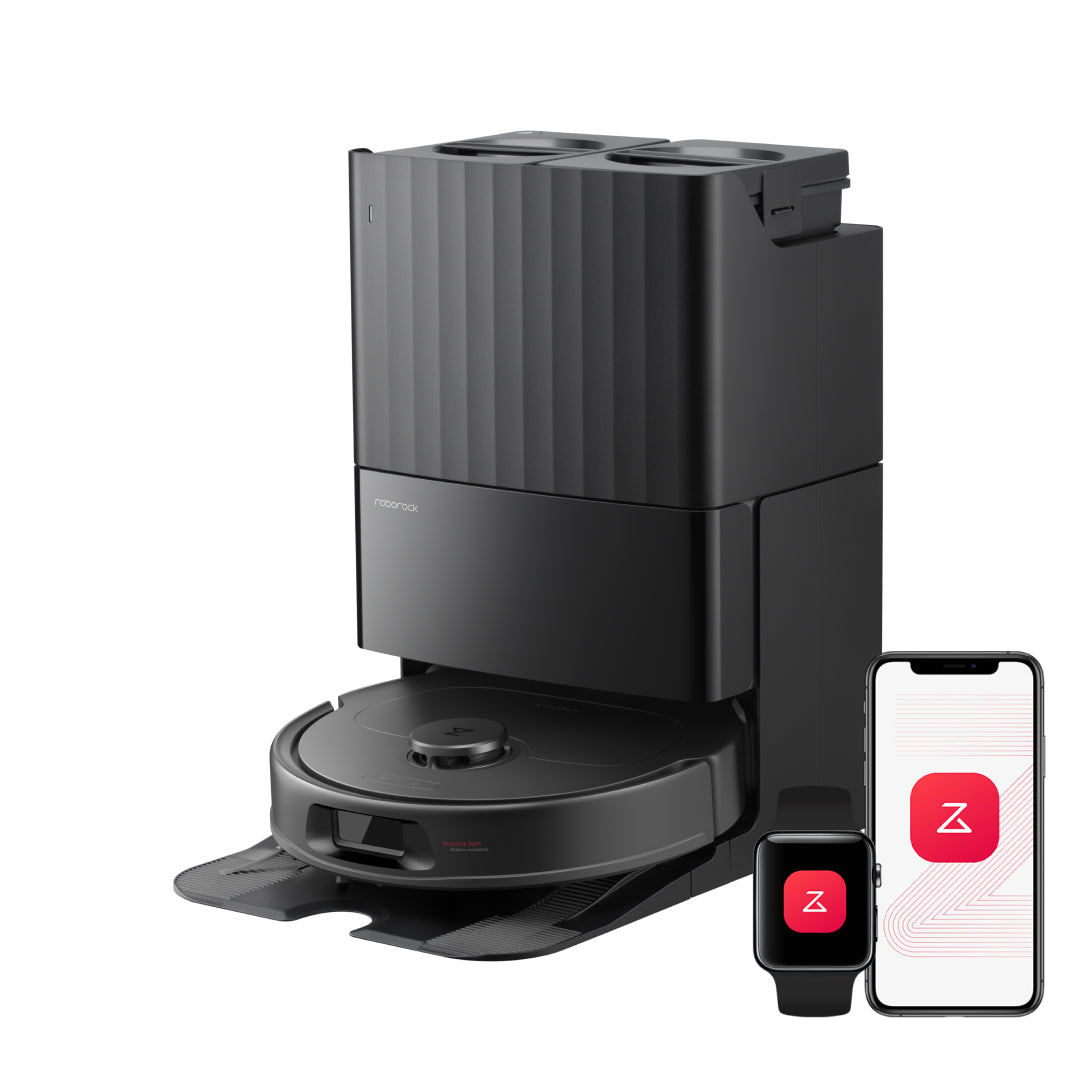
Roborock
A LiDAR vacuum-mop with twin liftable spinning pads and a removable-tank dock that washes, cold-air dries and refills, as well as auto-empties dust.
Read the assessment ↗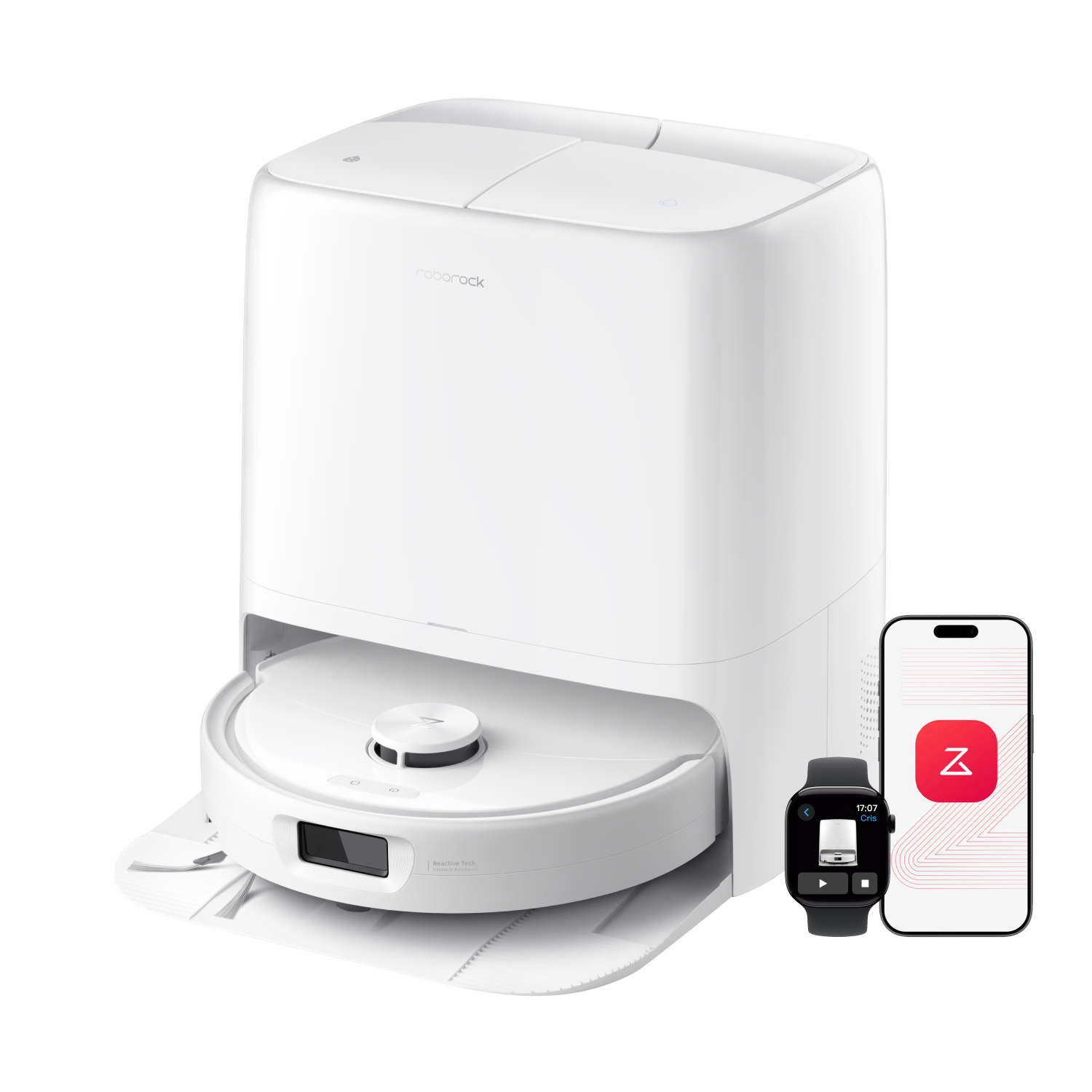
Roborock
A 3.8-inch LiDAR robot with dual spinning mop pads, app-enabled automatic mop-mount detachment for suitable carpet runs, and a removable-tank multifunction dock.
Read the assessment ↗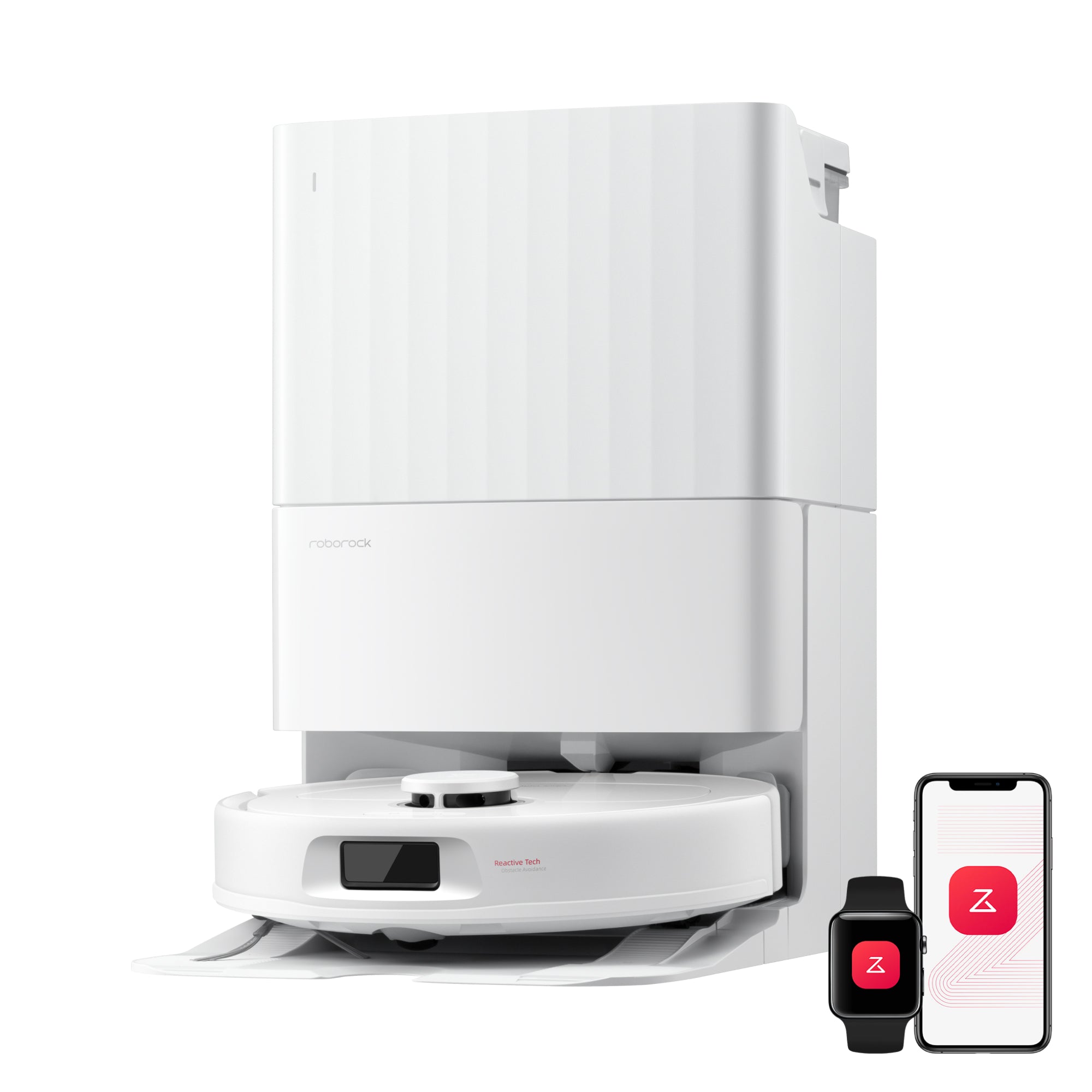
Roborock
A 3.8-inch spinning-pad vacuum-mop with a removable-tank dock for dust emptying, pad washing, warm-air drying and robot-tank refill.
Read the assessment ↗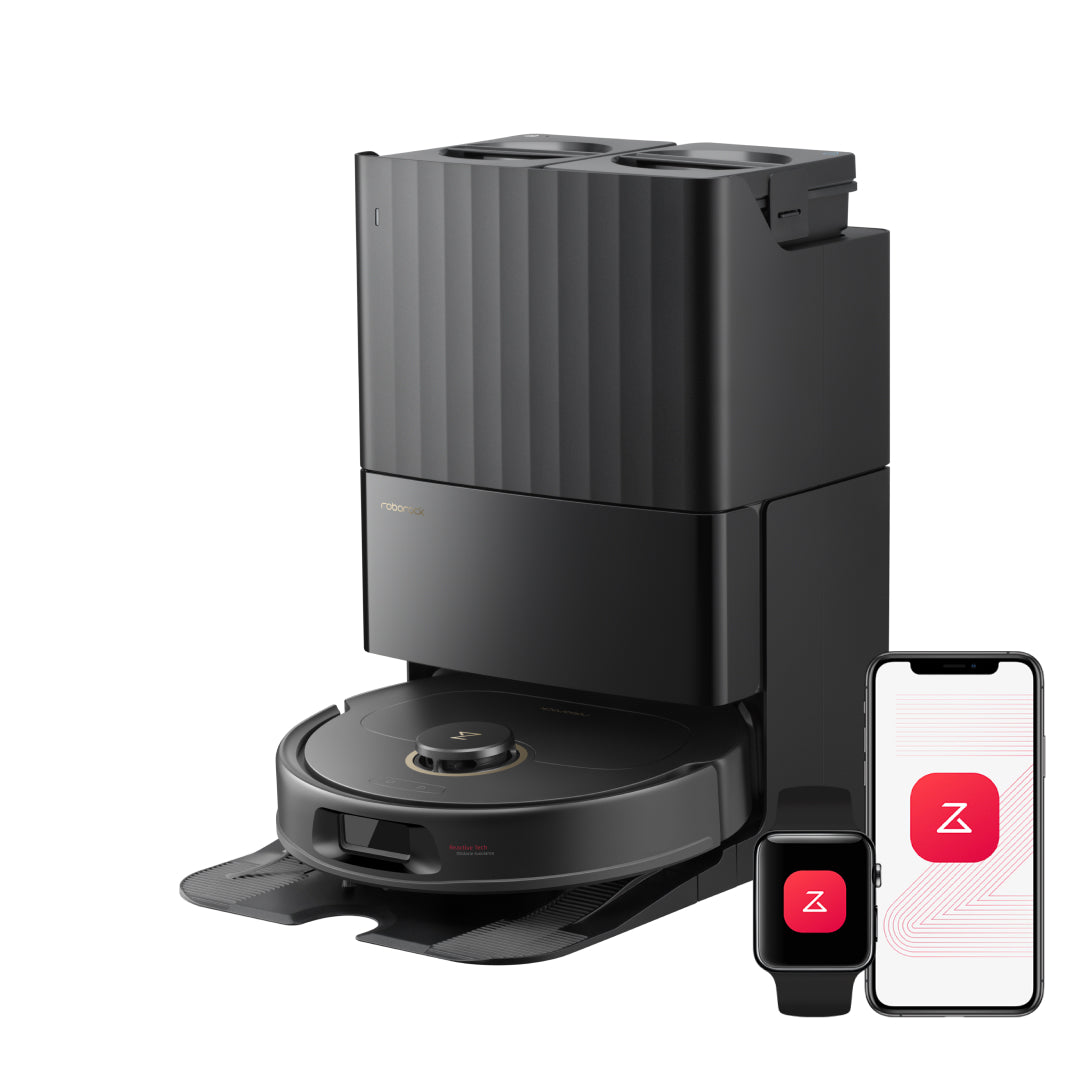
Roborock
A twin-spinning-pad vacuum-mop with dust auto-emptying, removable-tank mop washing, warm-air drying, and automatic robot-tank refill.
Read the assessment ↗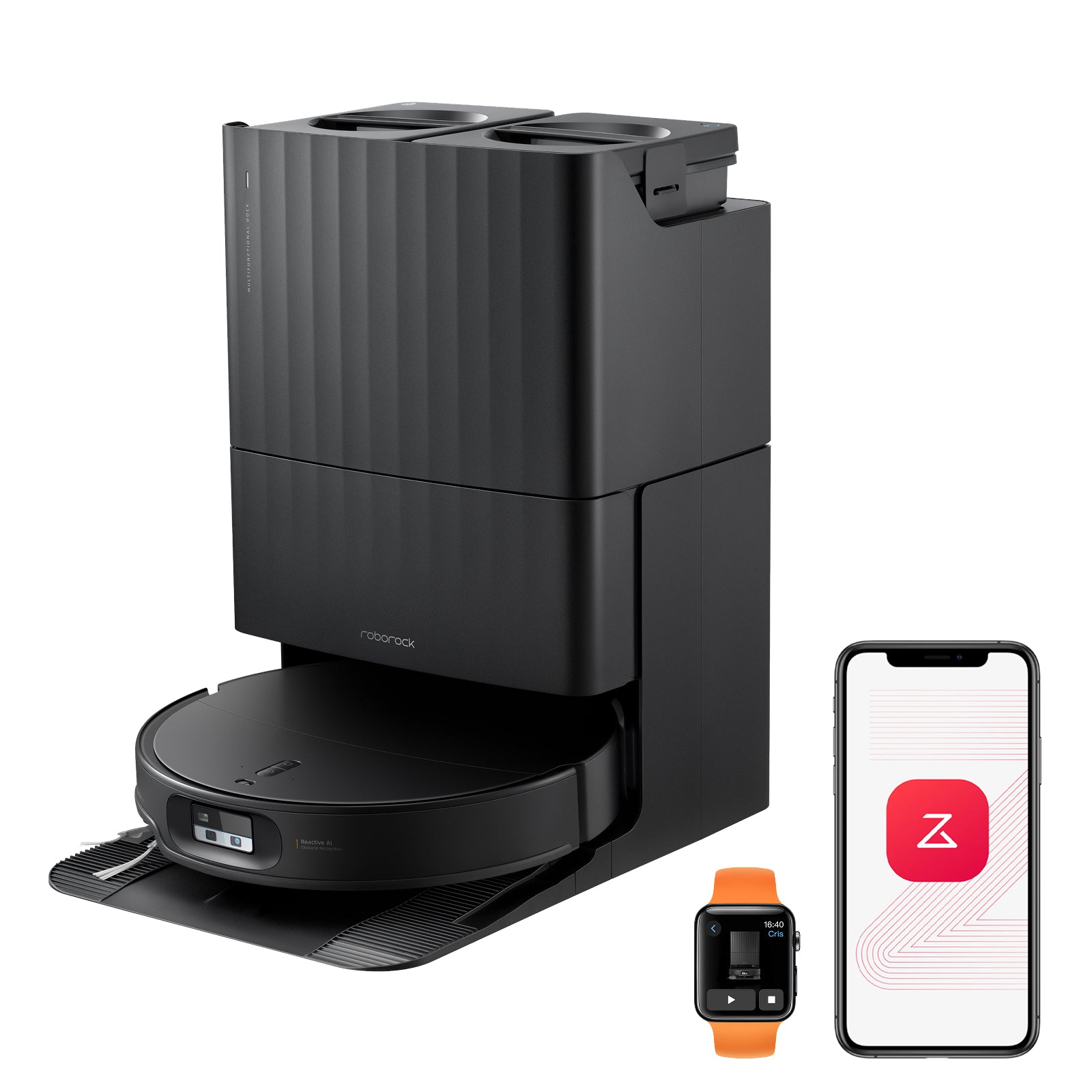
Roborock
A low-profile LiDAR vacuum-mop with two liftable rotating pads, warm-water mopping, and a removable-tank dock for dust emptying, hot-water pad washing and hot-air drying.
Read the assessment ↗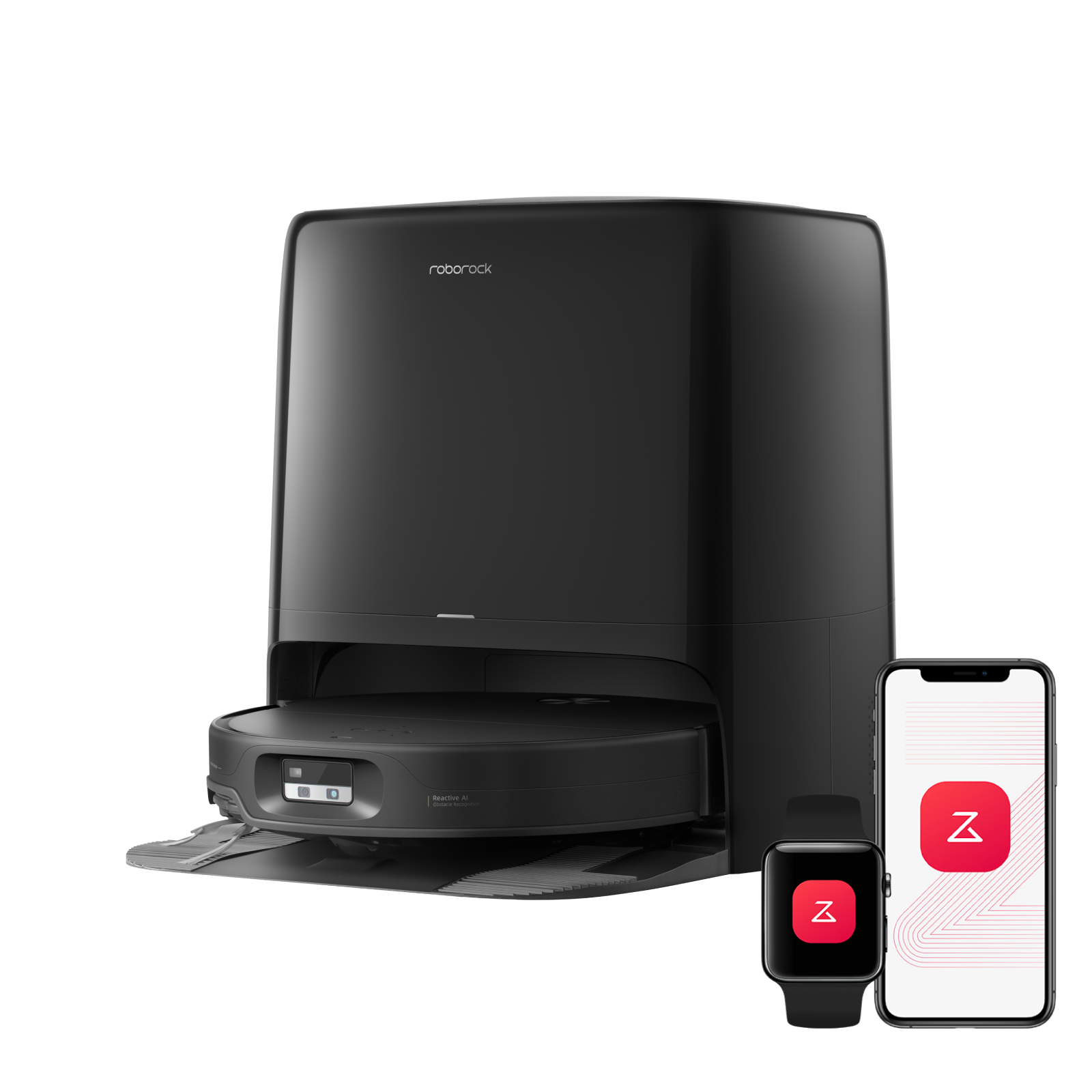
Roborock · Model reference
A low-profile, retractable-LiDAR robot vacuum-mop with dual rotating pads, warm-water mopping, a removable-tank service dock and bounded carpet/threshold claims. Roborock’s US product page stated it had not launched as of 2026-10-23, so this remains a product reference rather than a buying recommendation.
Read the assessment ↗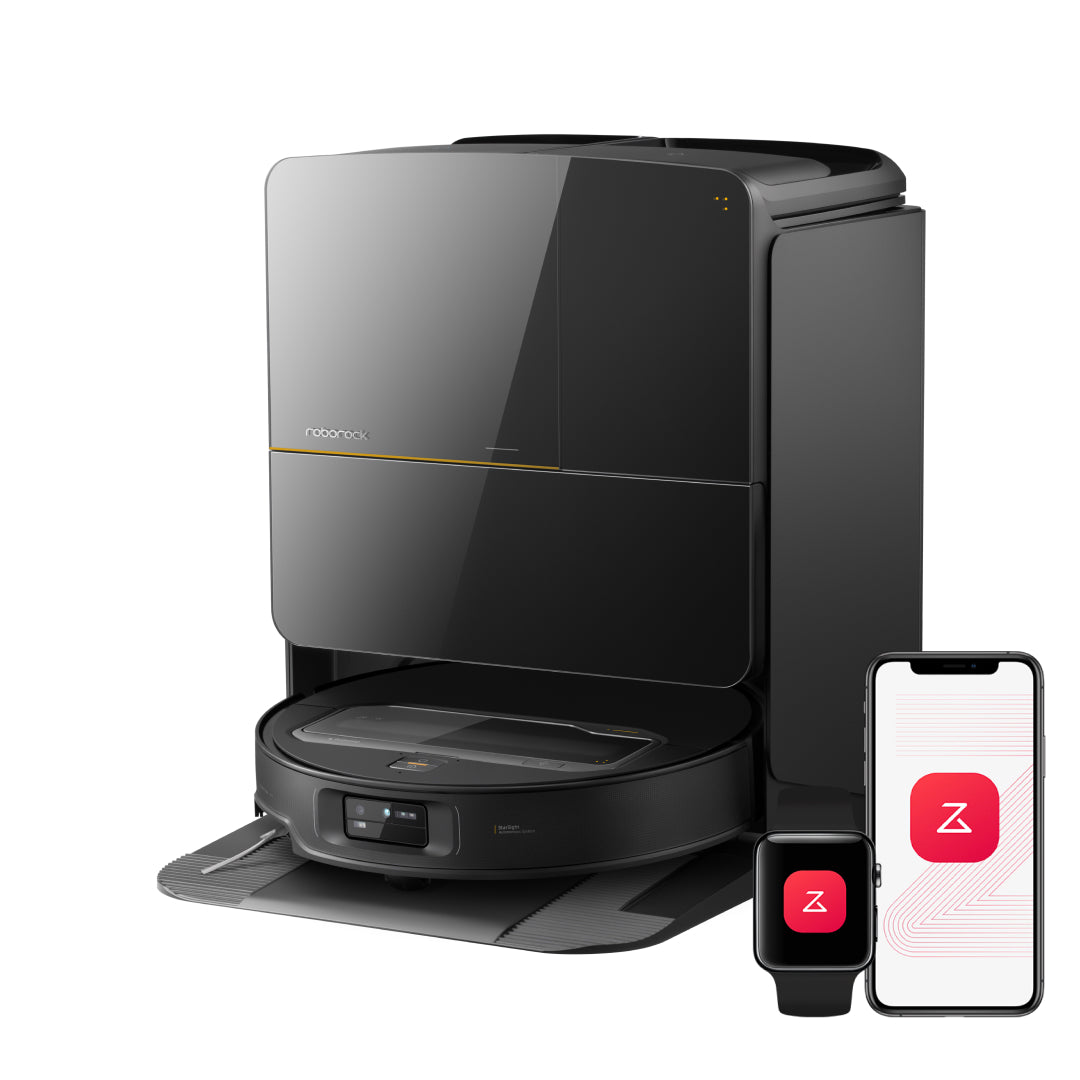
Roborock
A low-profile vacuum-mop with an app-enabled five-axis arm for a limited set of light clutter, plus a tank dock for dust emptying, pad washing/drying, and robot-water refill.
Read the assessment ↗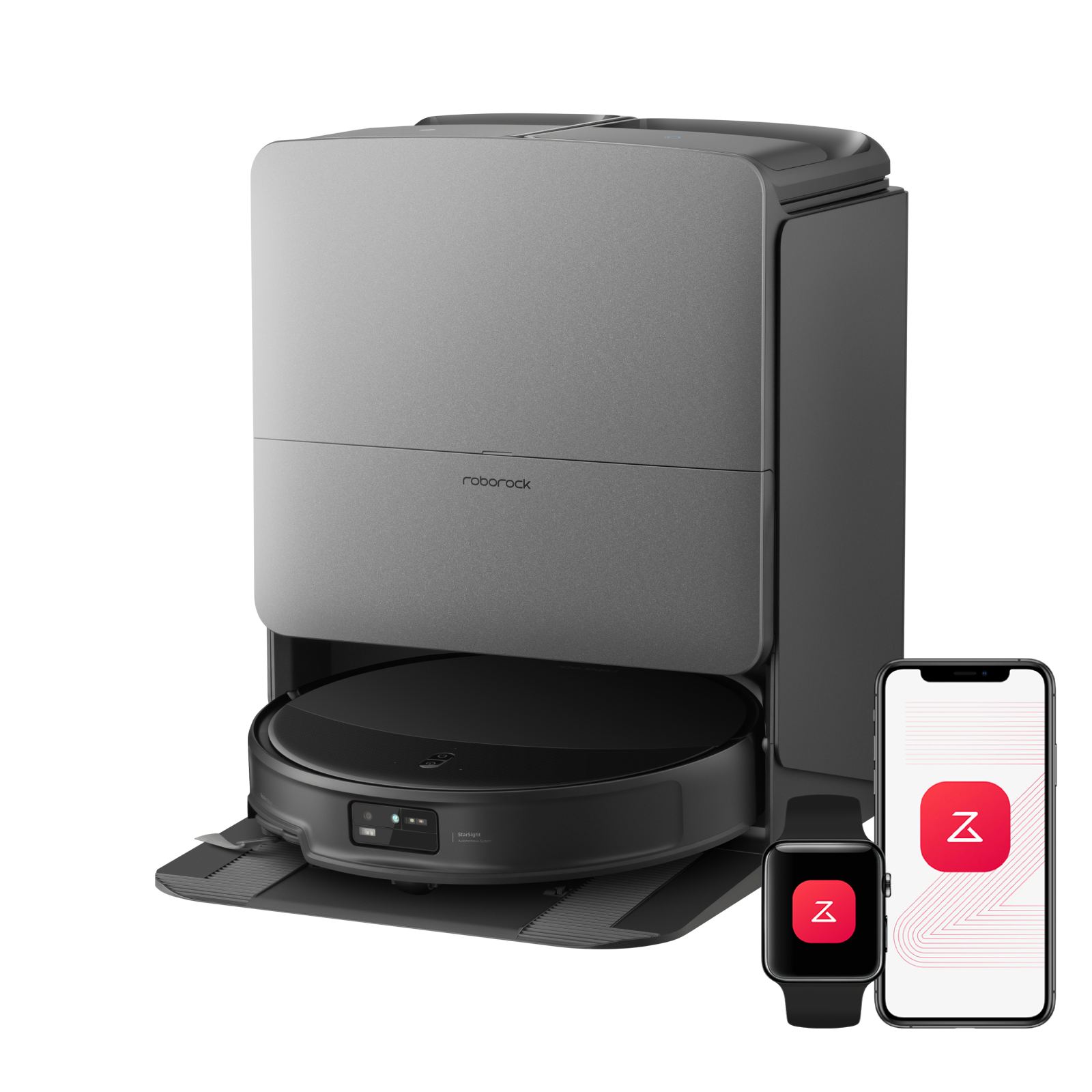
Roborock
Current US standard tank-dock Saros 20 configuration with dual spinning mop pads and StarSight navigation.
Read the assessment ↗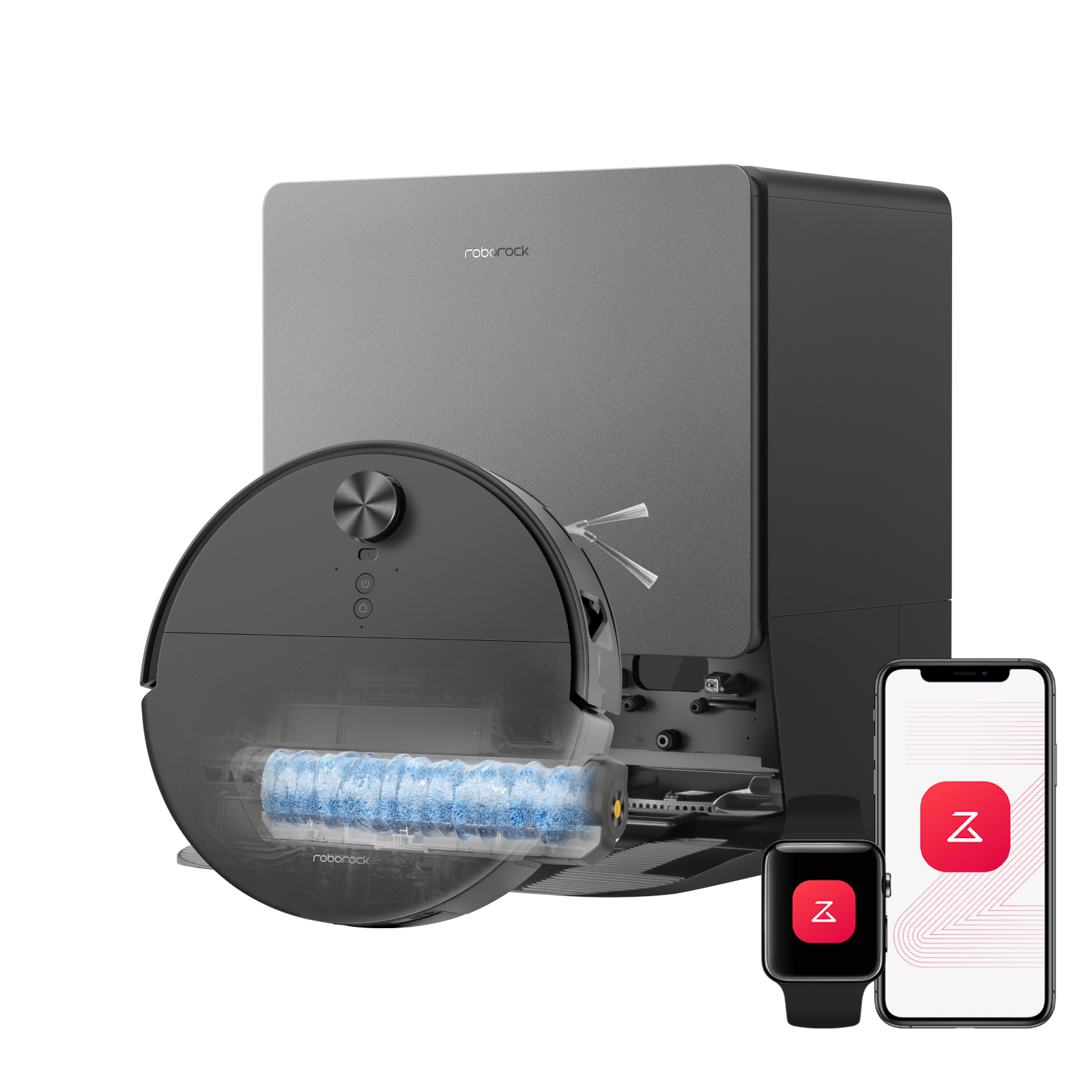
Roborock
Current US Saros 20 Flow configuration with SpiraFlow 2.0 powered roller mop and removable-tank RockDock.
Read the assessment ↗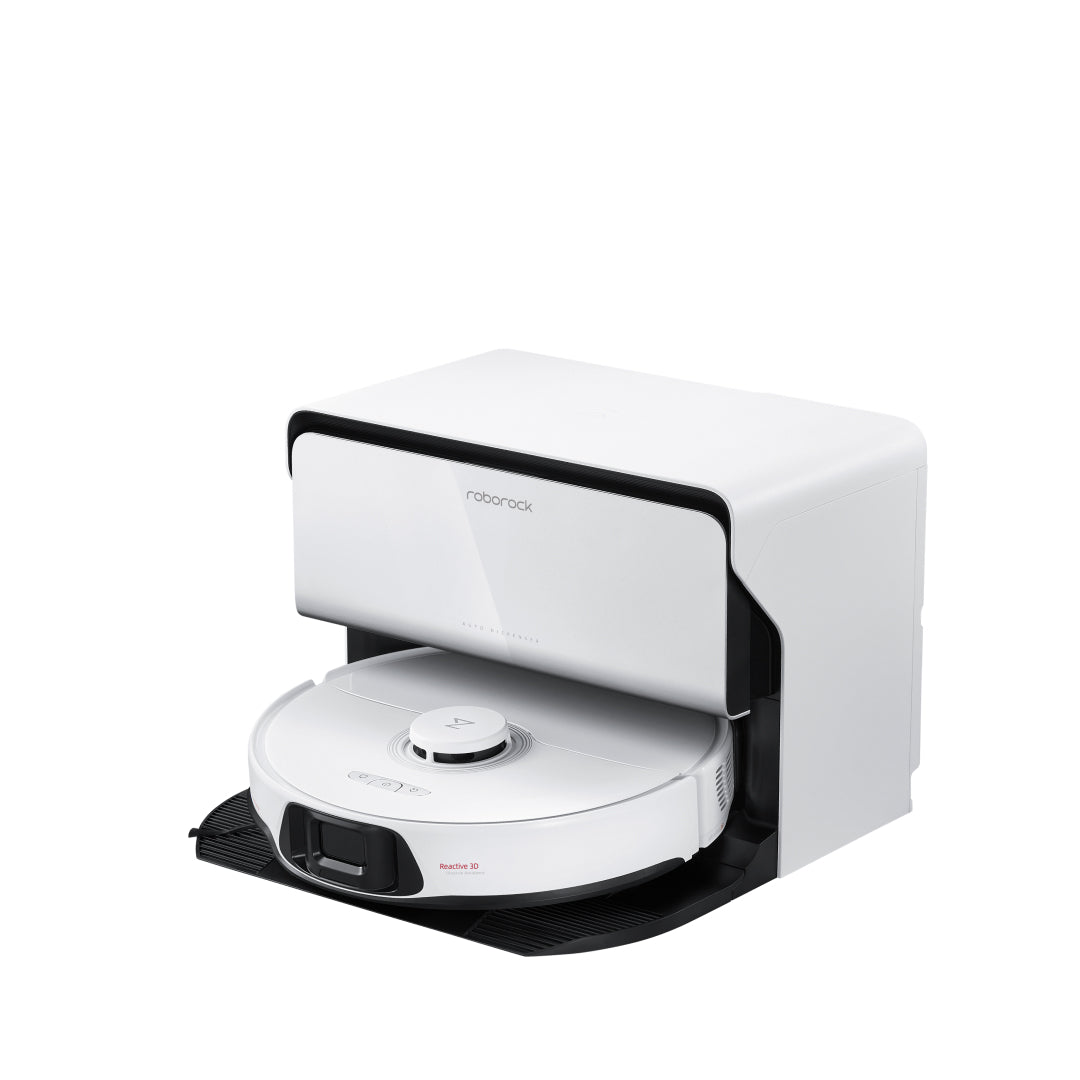
Roborock
A fixed-plumbing S8 Max Ultra package with an 8,000 Pa listed vacuum maximum, VibraRise 3.0 cloth, automatic mop lift and refill-and-drain dock.
Read the assessment ↗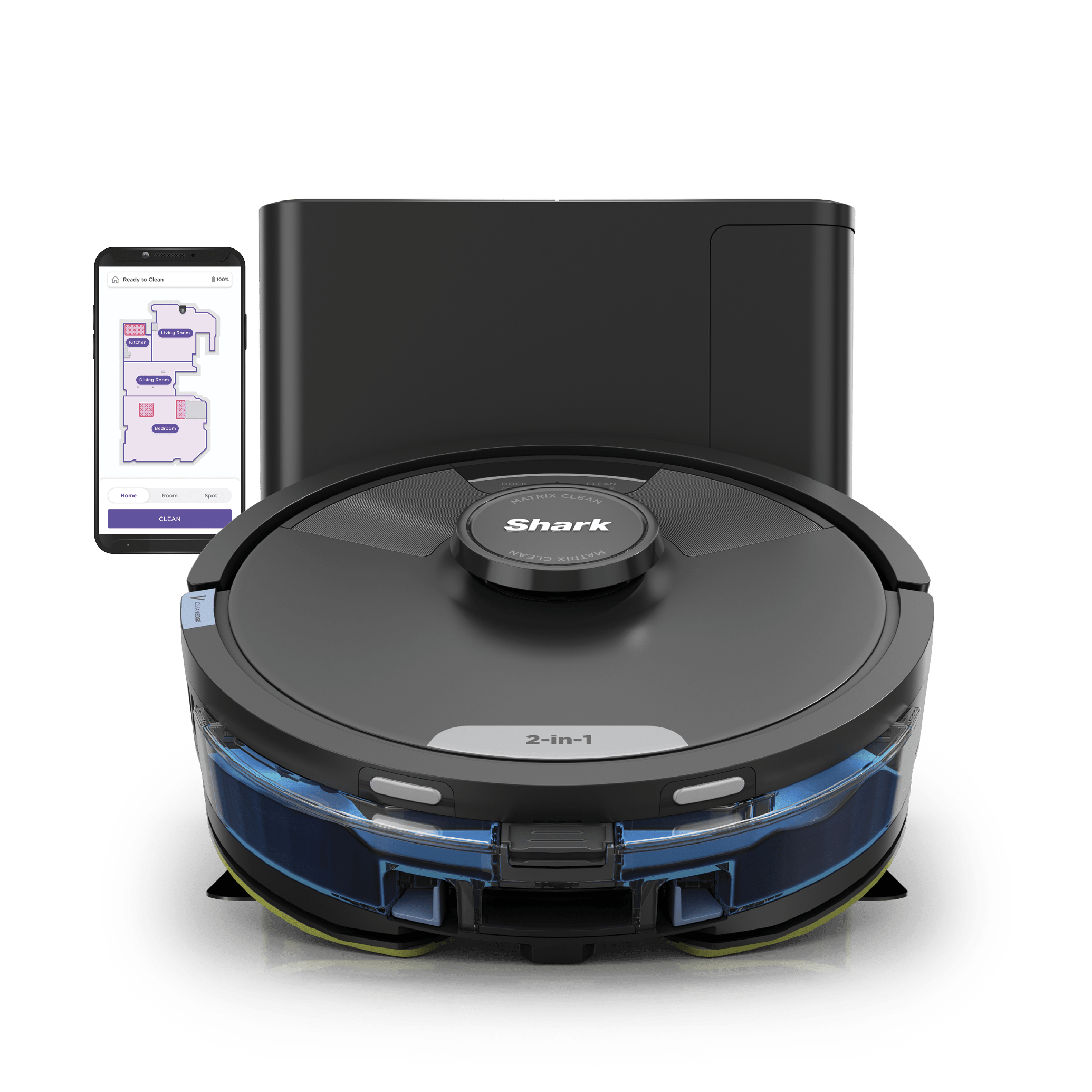
Shark
A LiDAR-mapped vacuum with a bagless dust-emptying base and a removable sonic-mop pad system that requires hands-on water and pad care.
Read the assessment ↗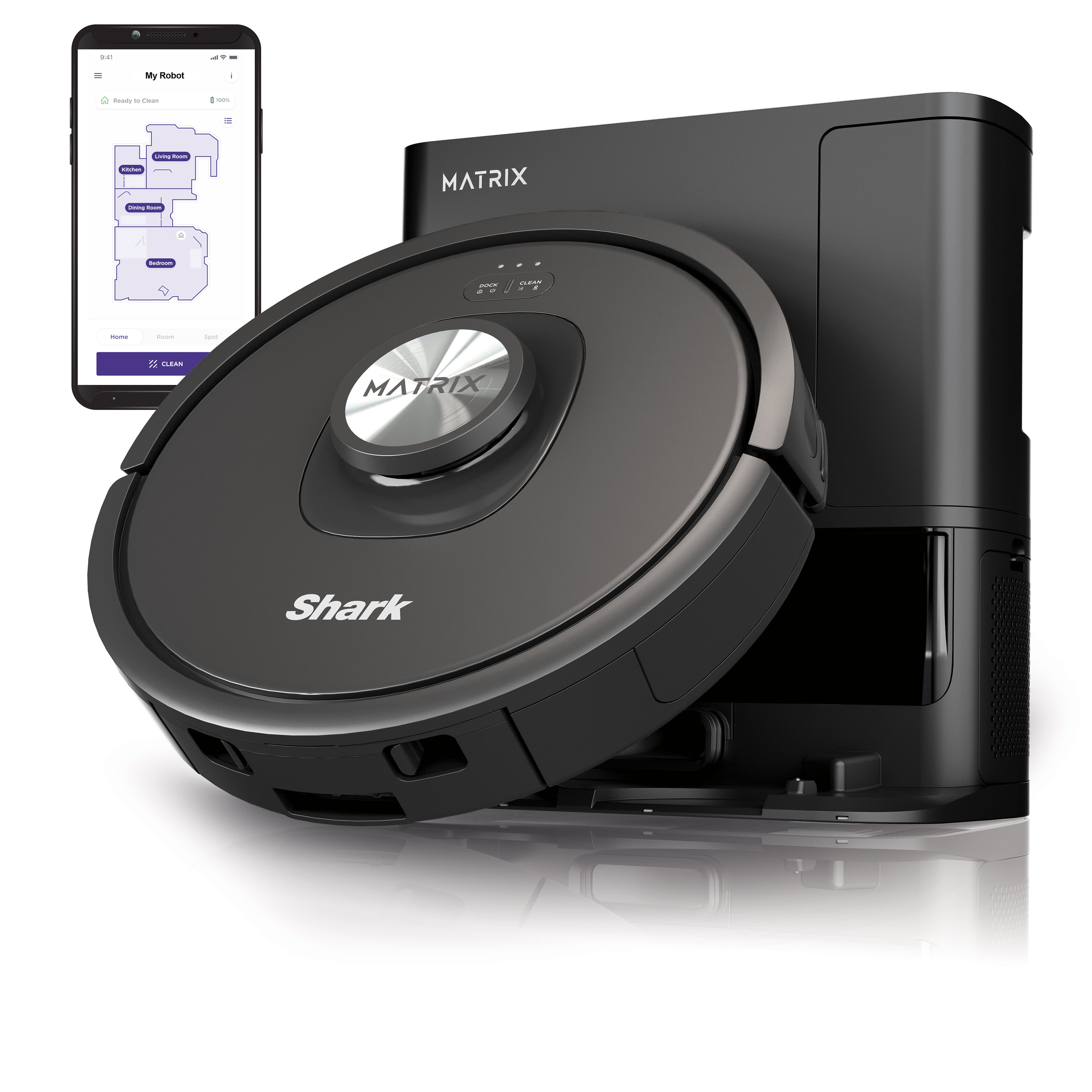
Shark
A vacuum-only Shark Matrix with 360-degree LiDAR mapping, grid-based Matrix Clean and an included bagless base the maker says holds up to 45 days of debris.
Read the assessment ↗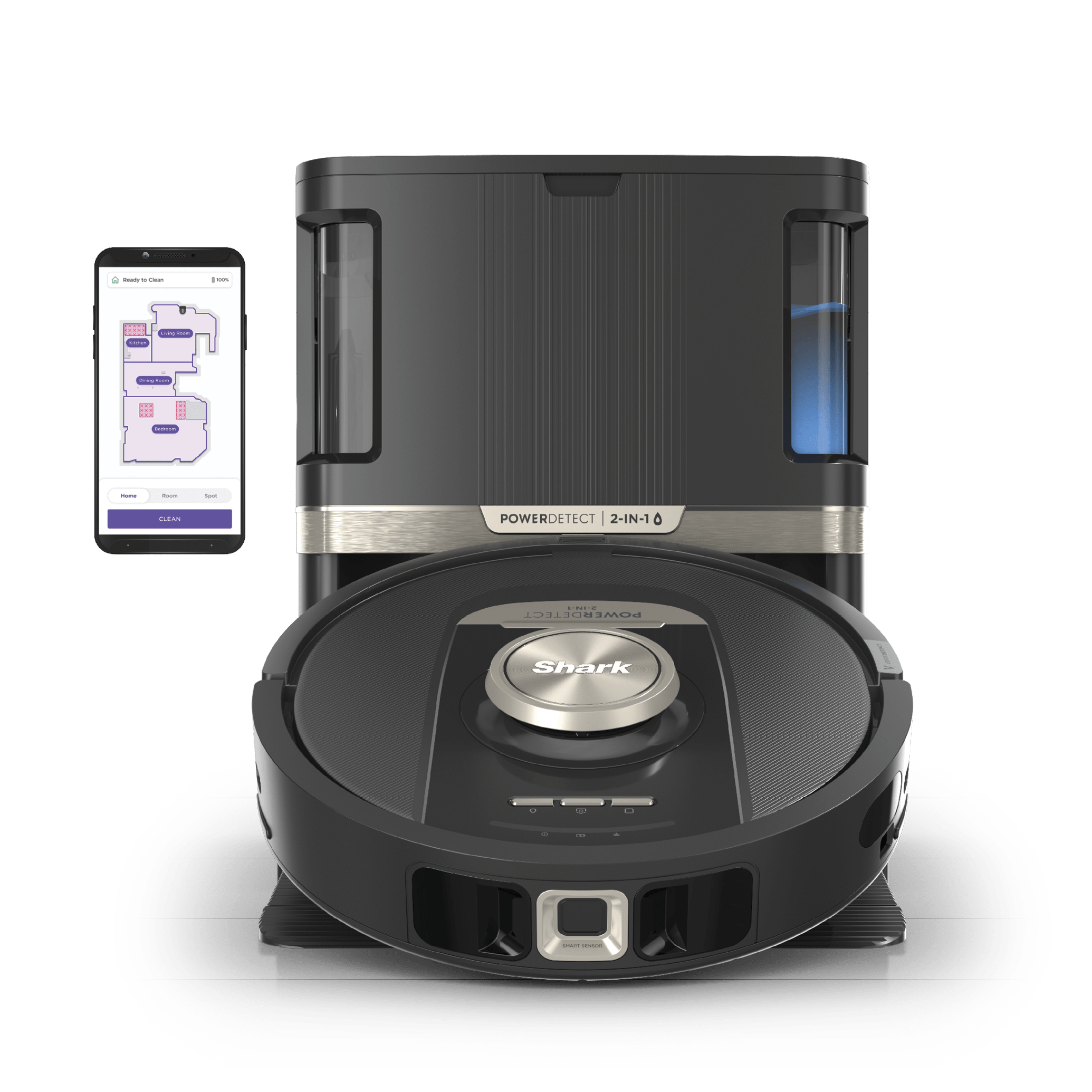
Shark
A LiDAR-mapped vacuum-mop whose included base auto-empties dust, refills the robot's water tank, and washes and dries its mop pad after runs.
Read the assessment ↗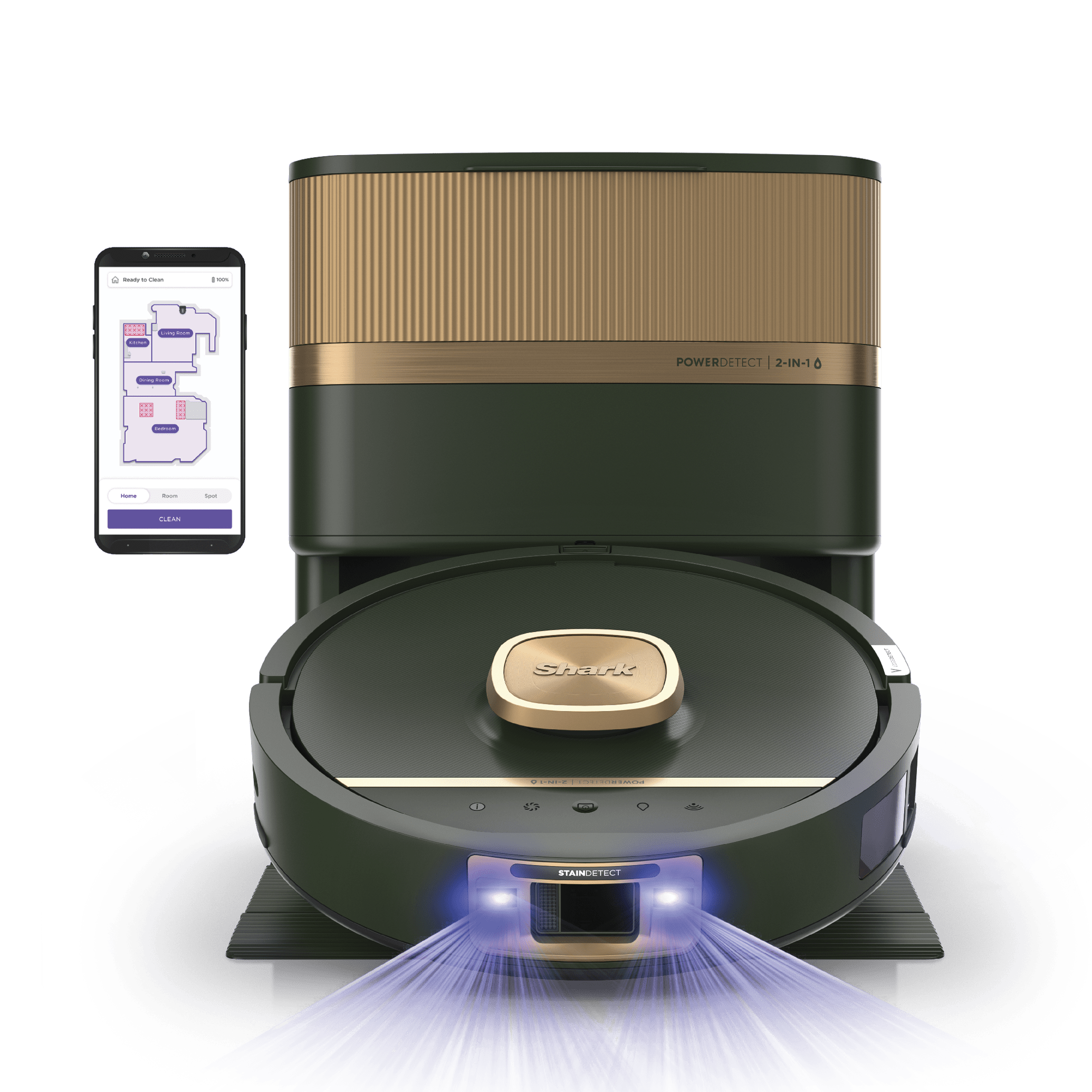
Shark
A U.S. robot vacuum-mop package pairing UV-based stain revealing and Shark’s named HyperSonic mopping action with an included NeverTouch Pro base that automatically empties, refills and uses thermal heat for mop-pad care.
Read the assessment ↗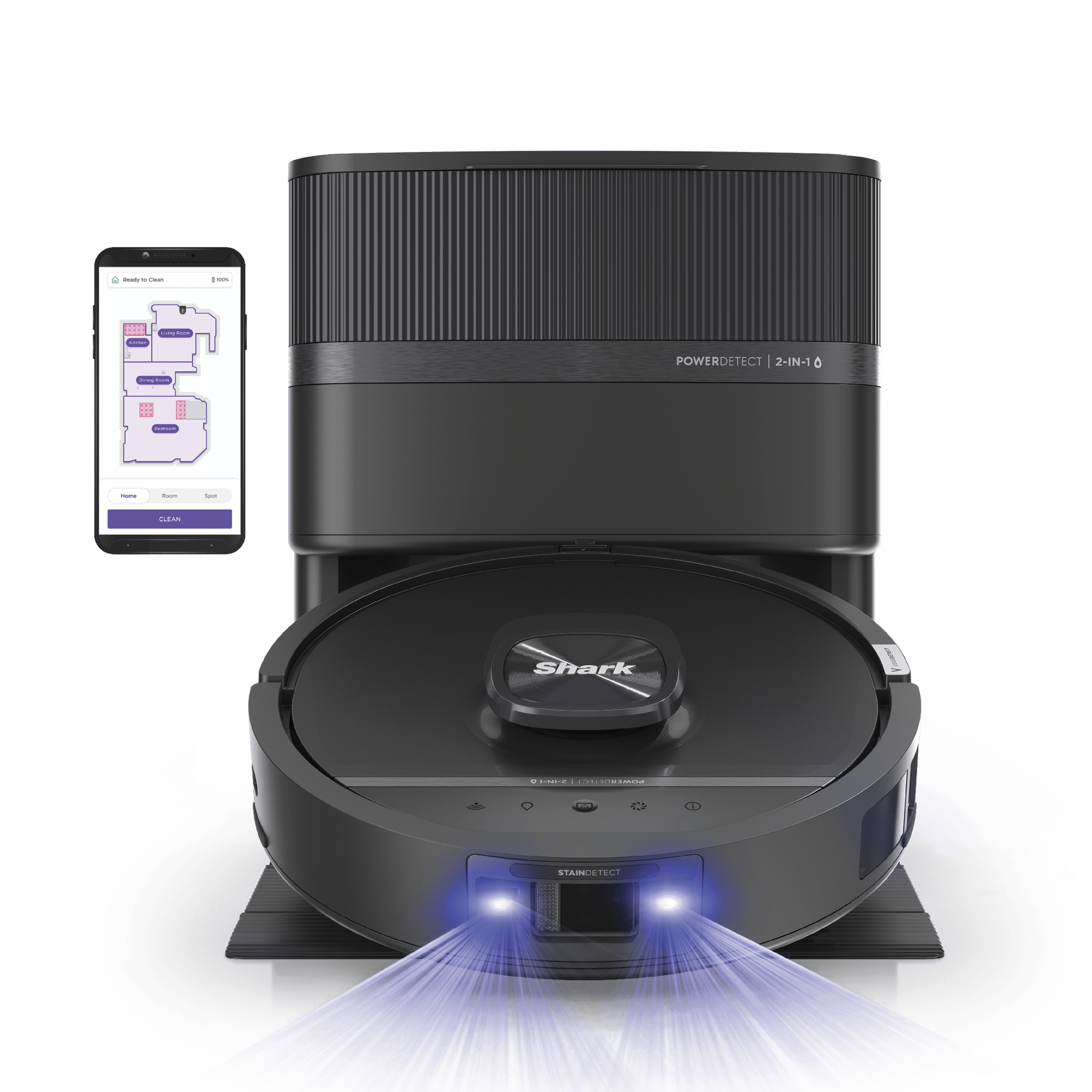
Shark
A color-variant vacuum-mop offer pairing UV stain-revealing and named HyperSonic mopping claims with a NeverTouch Pro base; exact runtime, feature-count and pad-care claims need caveats.
Read the assessment ↗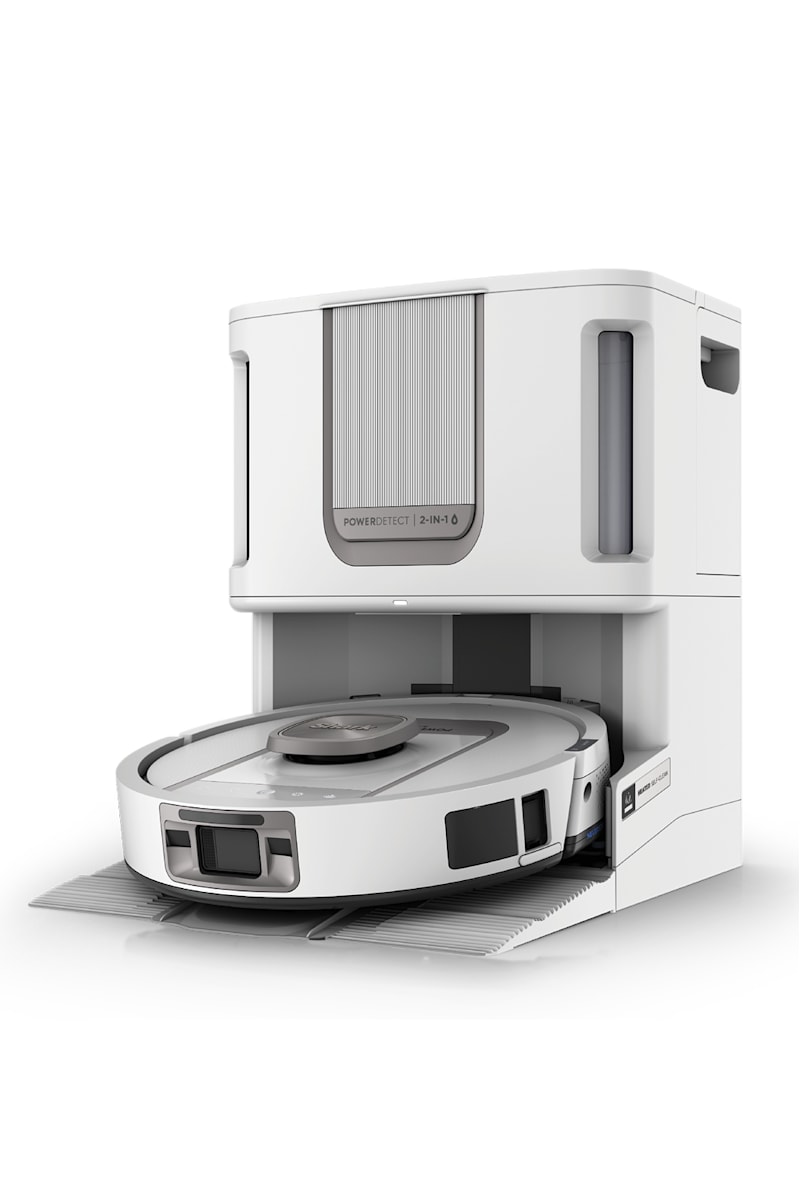
Shark
A color-variant vacuum-mop group with sonic cleaning and a NeverTouch Pro base that washes and dries the pad, refills the robot and empties dust; base-care claims are not independent tests.
Read the assessment ↗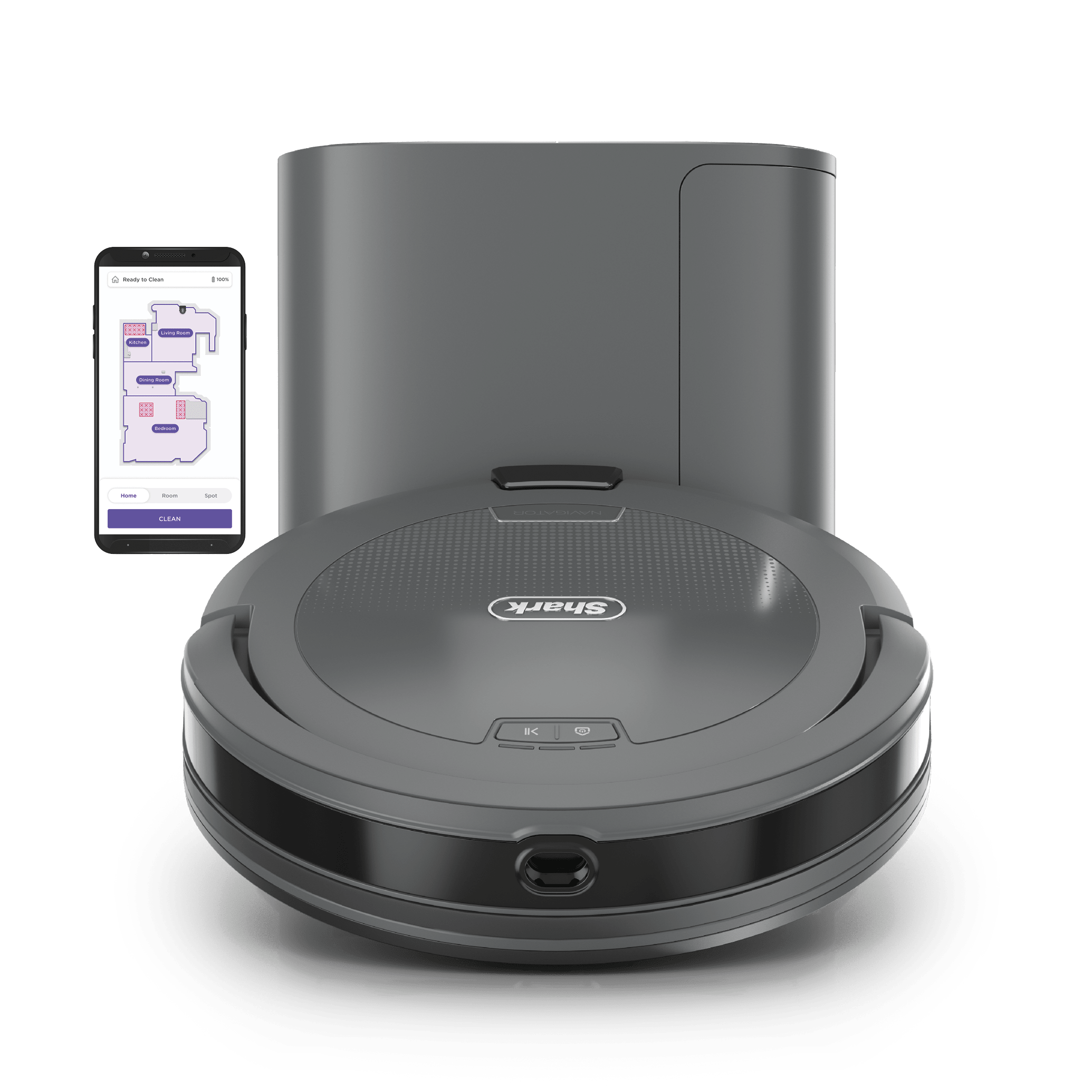
Shark
A mapped, vacuum-only Shark Navigator with a self-cleaning brushroll and included bagless self-empty base; the maker claims up to 60 days of base capacity.
Read the assessment ↗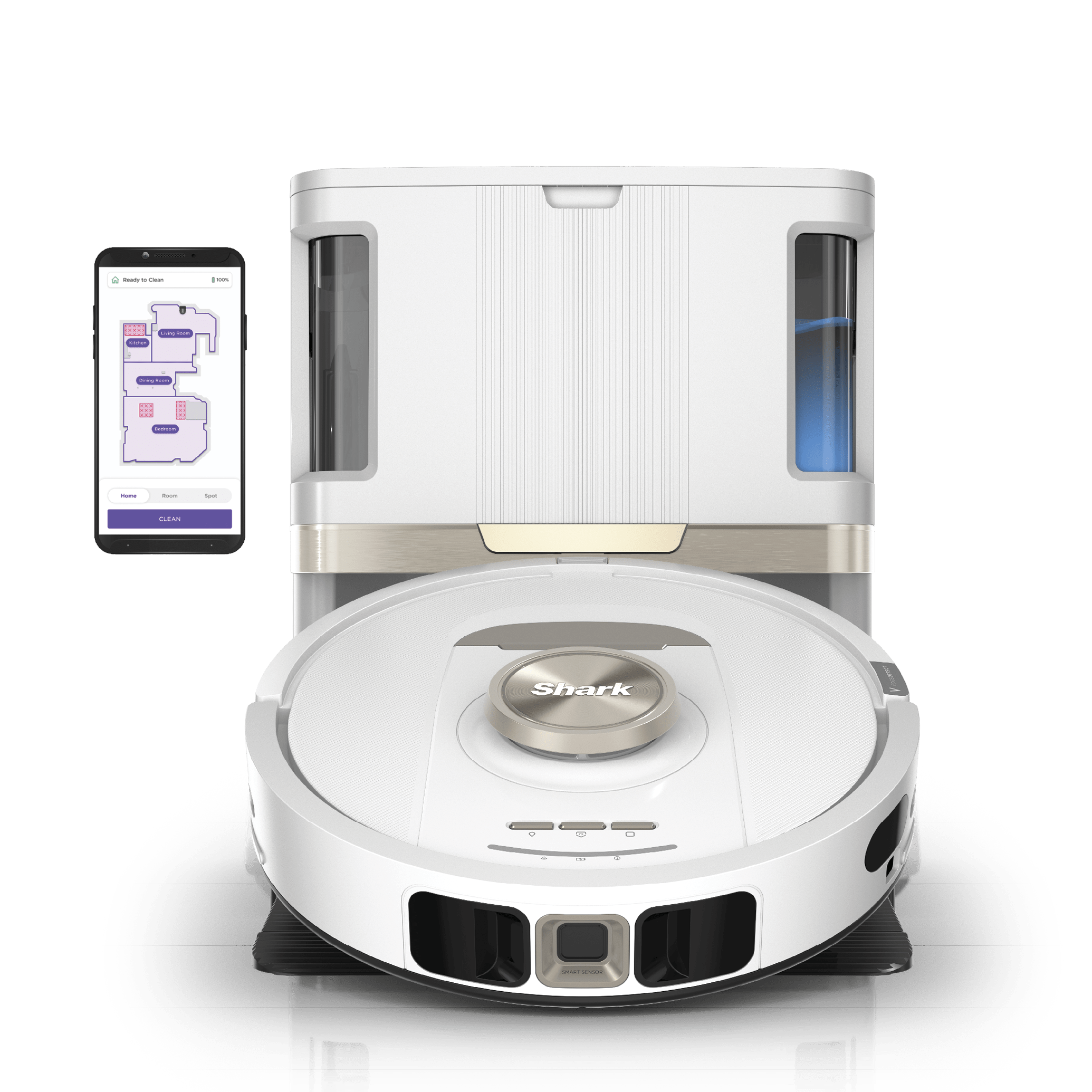
Shark
A LiDAR-mapped Shark vacuum-mop with Sonic Mopping and a NeverTouch base advertised to empty dust, refill the robot tank, and wash and dry the pad.
Read the assessment ↗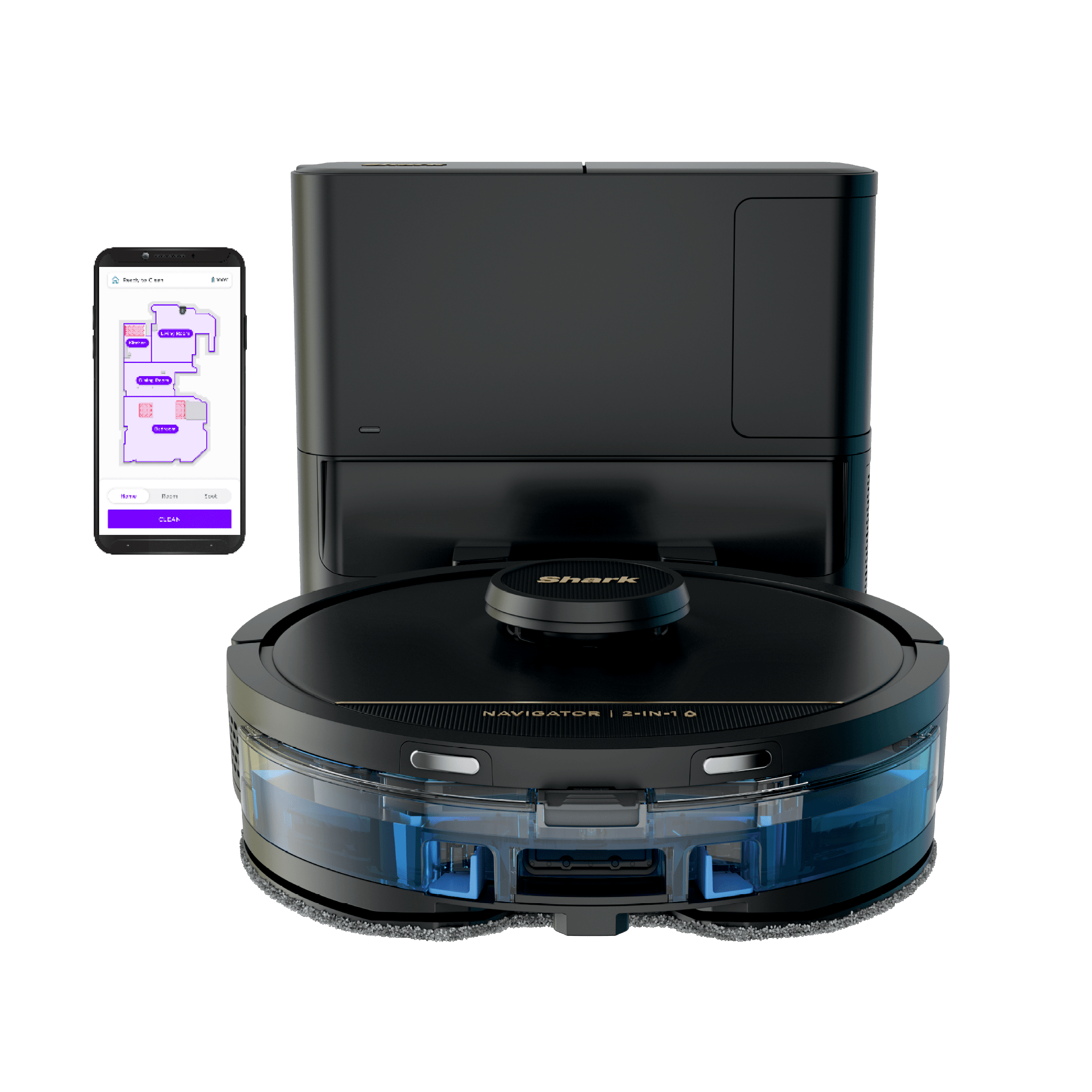
Shark
A mapped vacuum-mop with a bagless dust-empty base, carpet-detection claims and reusable pads whose exact wetting and care routine needs confirmation.
Read the assessment ↗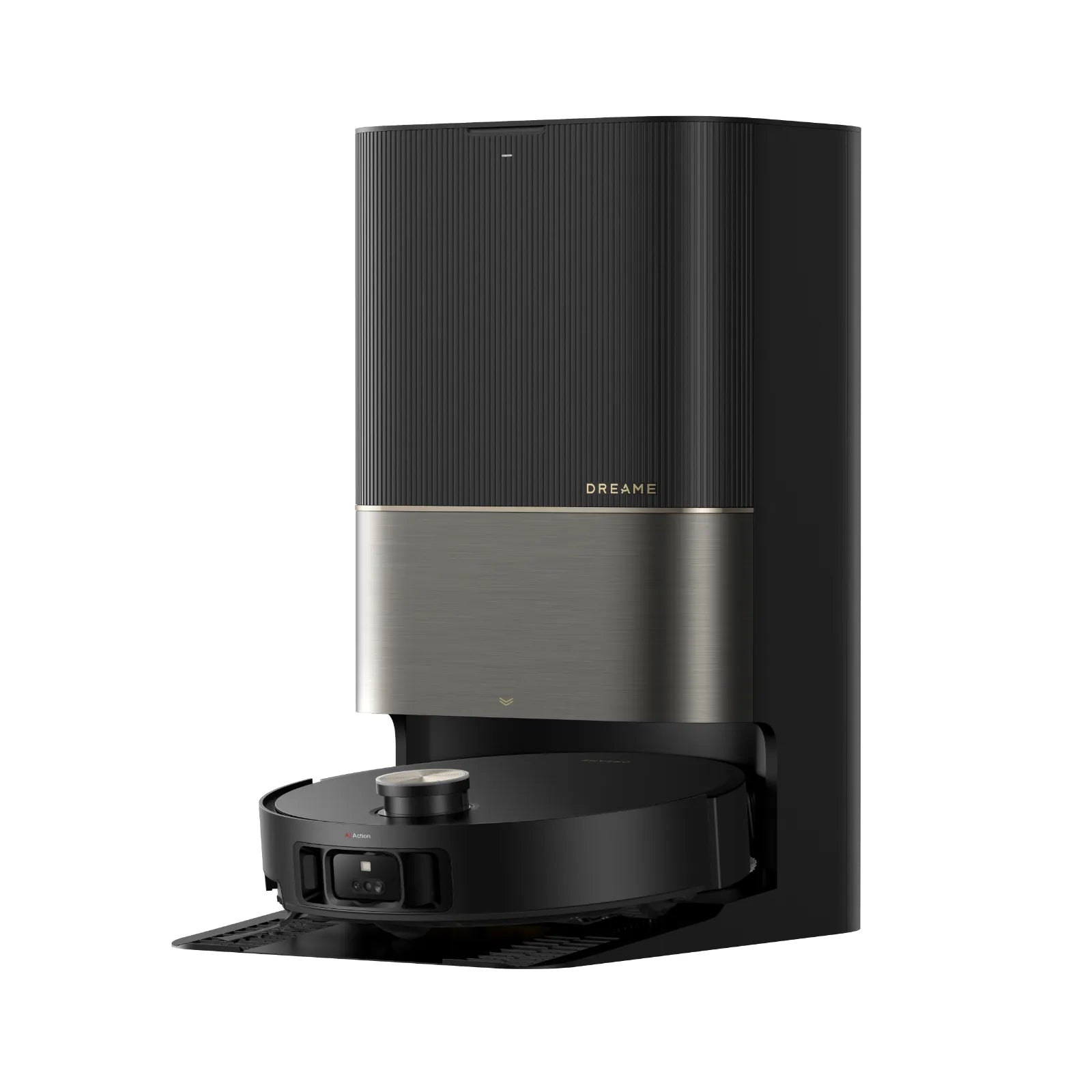
Dreame
A retractable-sensor vacuum-mop with dual spinning pads and a removable-tank station that empties dust, washes and dries the pads, and refills the robot.
Read the assessment ↗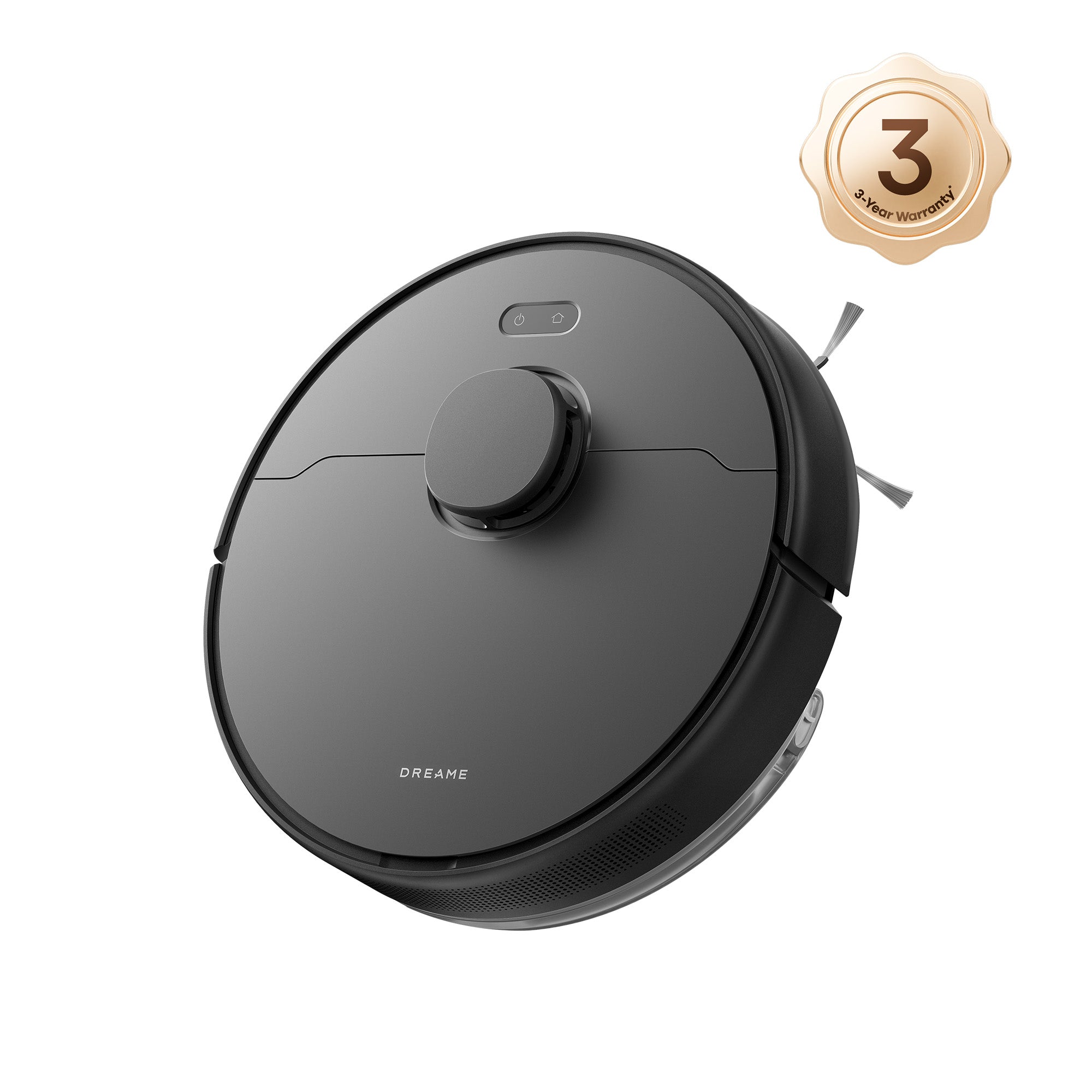
Dreame
A mapped vacuum-mop with a detachable flat pad and owner-filled tank; the standard charging dock does not empty dust or wash the mop.
Read the assessment ↗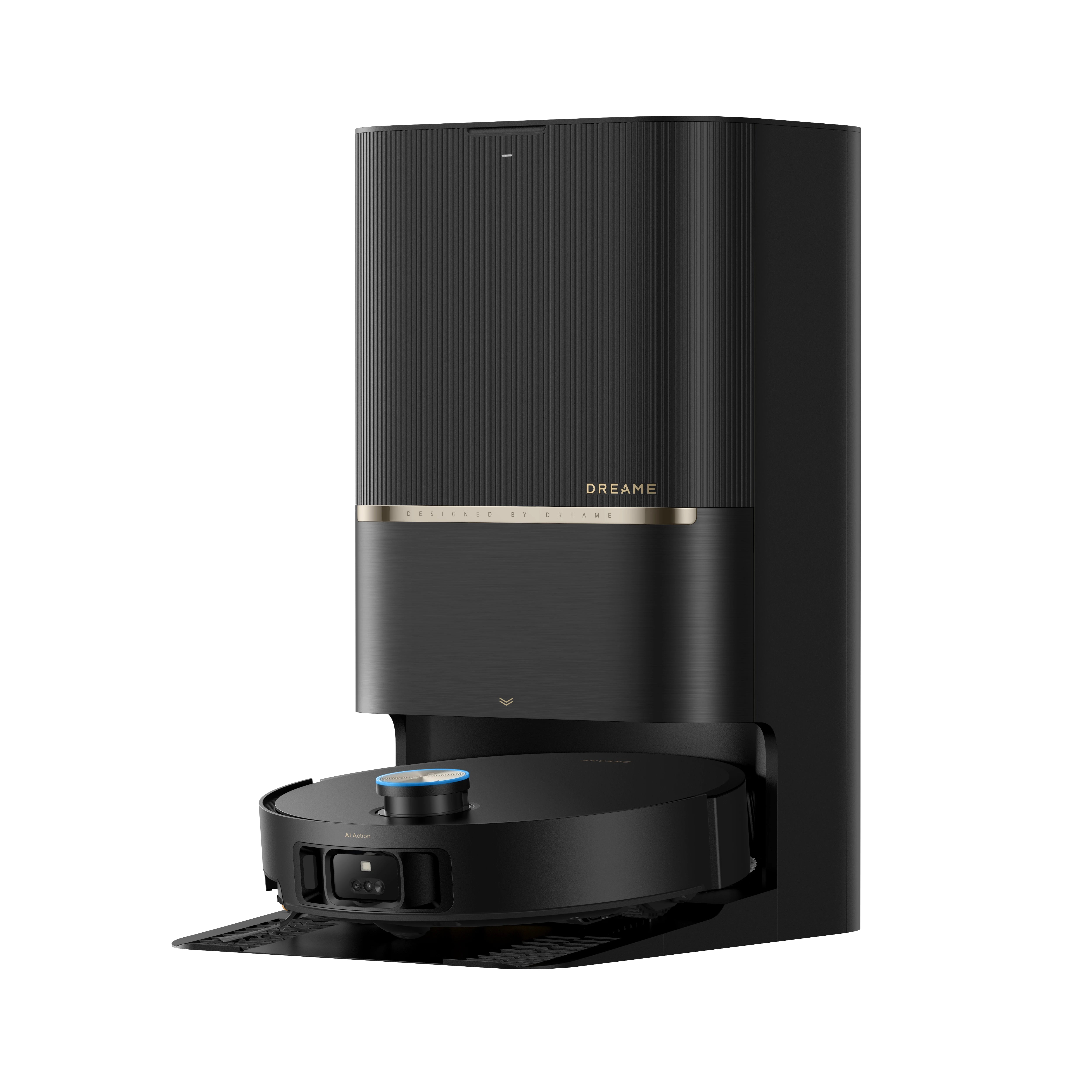
Dreame
A retractable-sensor robot vacuum-mop with ProLeap legs, two rotating mop pads and a removable-tank station that empties dust, washes and dries pads, and refills the robot.
Read the assessment ↗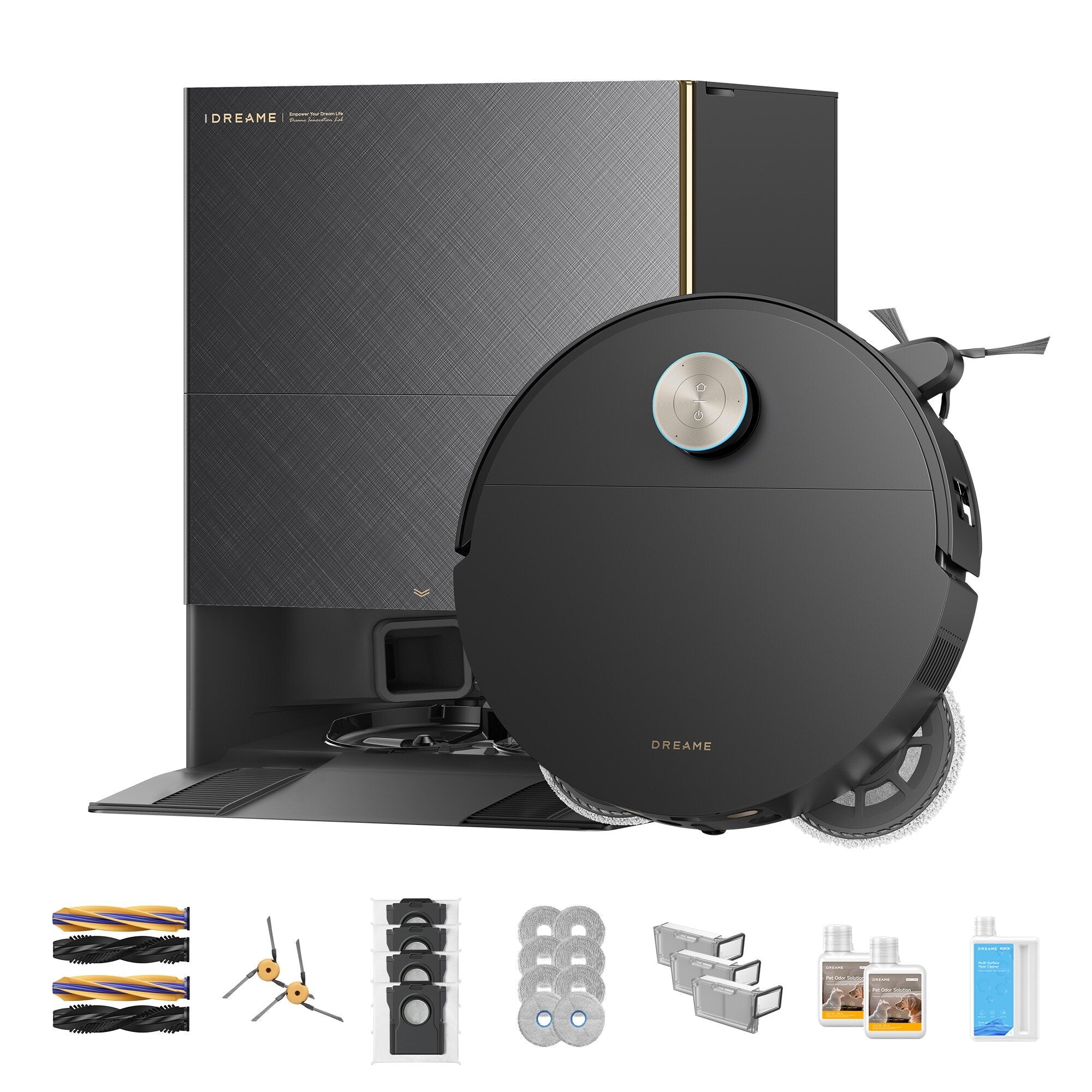
Dreame
A low-profile robot vacuum-mop with retractable VersaLift navigation, Max-specific carpet mechanisms, dual rotating pads and a dual-solution wash-and-dry base.
Read the assessment ↗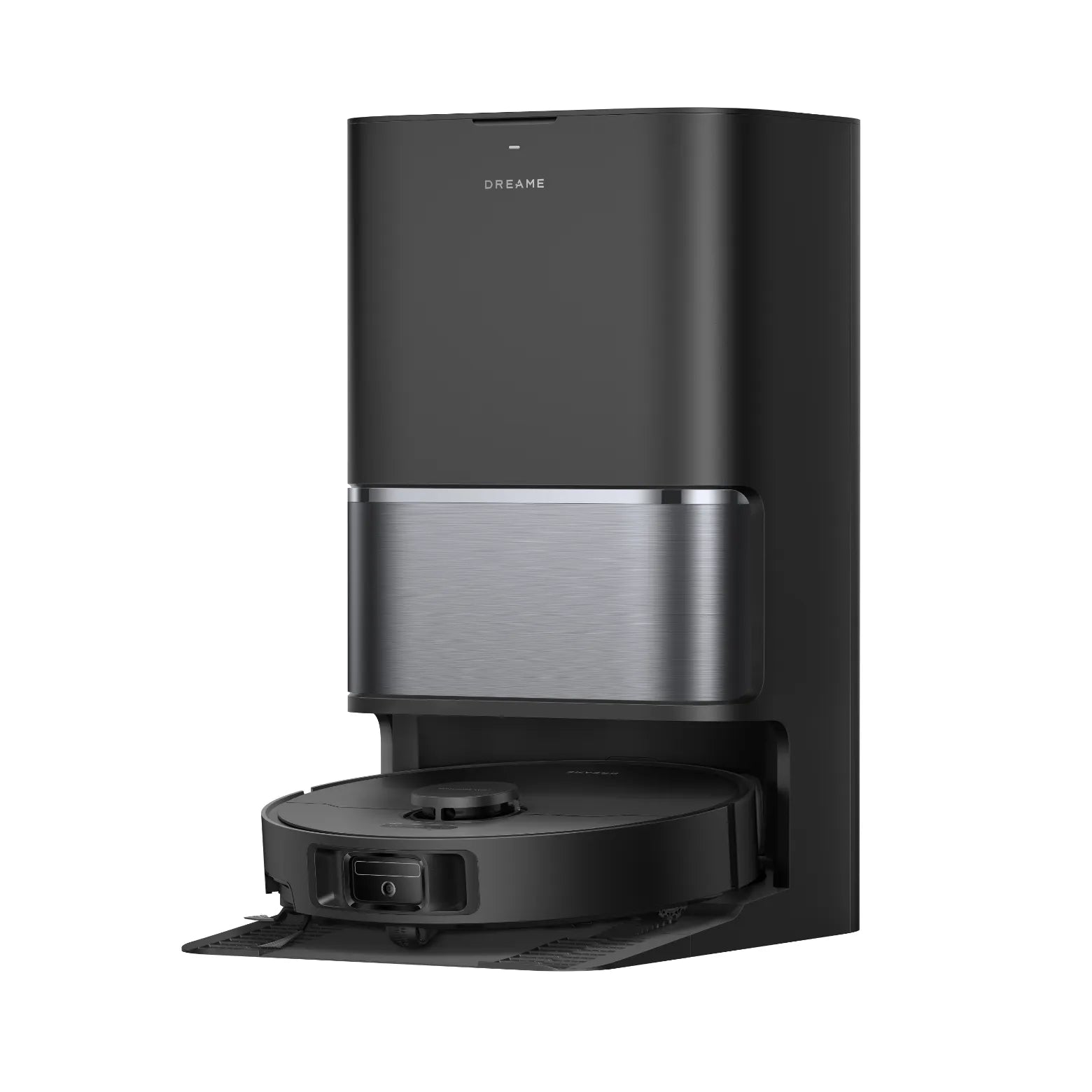
Dreame
A U.S. robot vacuum-mop with a fixed LDS navigation turret, dual rotating mop pads, extendable side brush and mop, 10.5 mm mop lift, and a removable-tank station that empties dust, washes and dries pads, and refills the robot.
Read the assessment ↗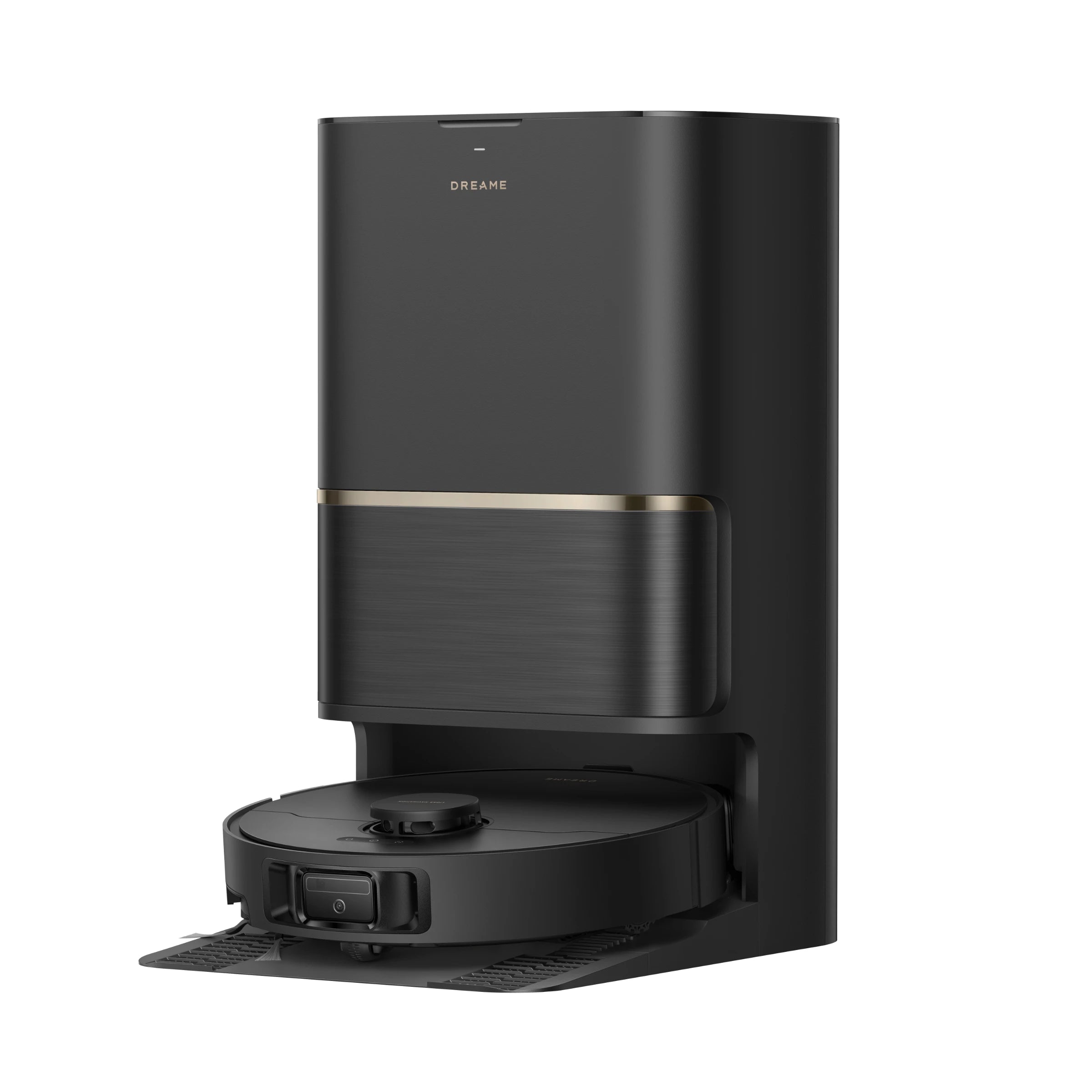
Dreame
A U.S. robot vacuum-mop with LDS navigation, single-laser 3D structured-light avoidance, TriCut Brush 3.0, two rotating mop pads and a removable-tank station that empties dust, hot-washes and dries pads, and refills the robot.
Read the assessment ↗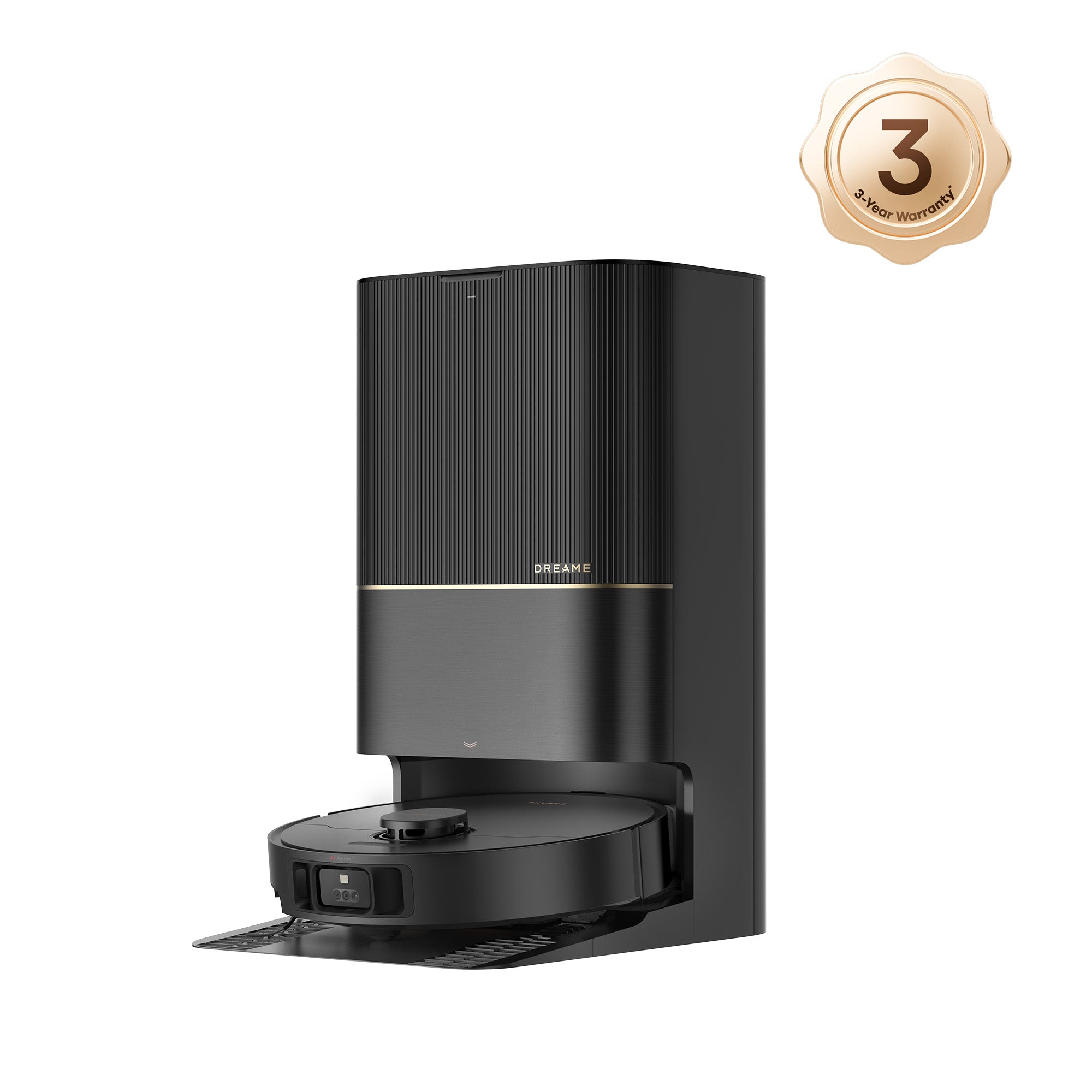
Dreame
A robot vacuum-mop with two mop pads, automatic pad removal for vacuum-only runs, and a removable-tank station that empties dust, washes and dries the pads, and refills the robot.
Read the assessment ↗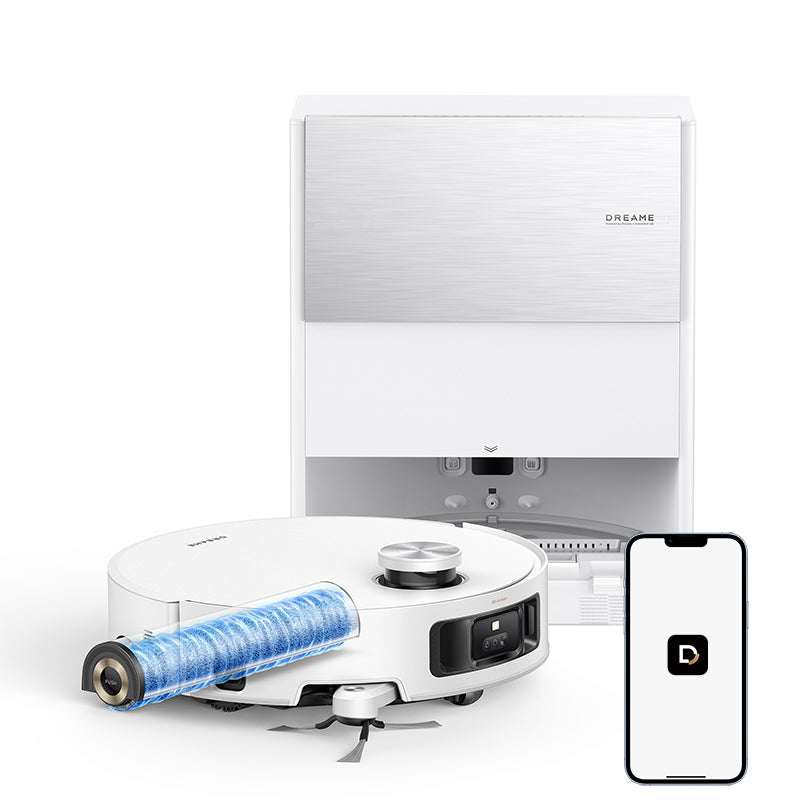
Dreame
A U.S. roller-mop robot with continuous fresh-water rinsing, a removable-tank wash-and-dry station and 2.4 GHz app setup.
Read the assessment ↗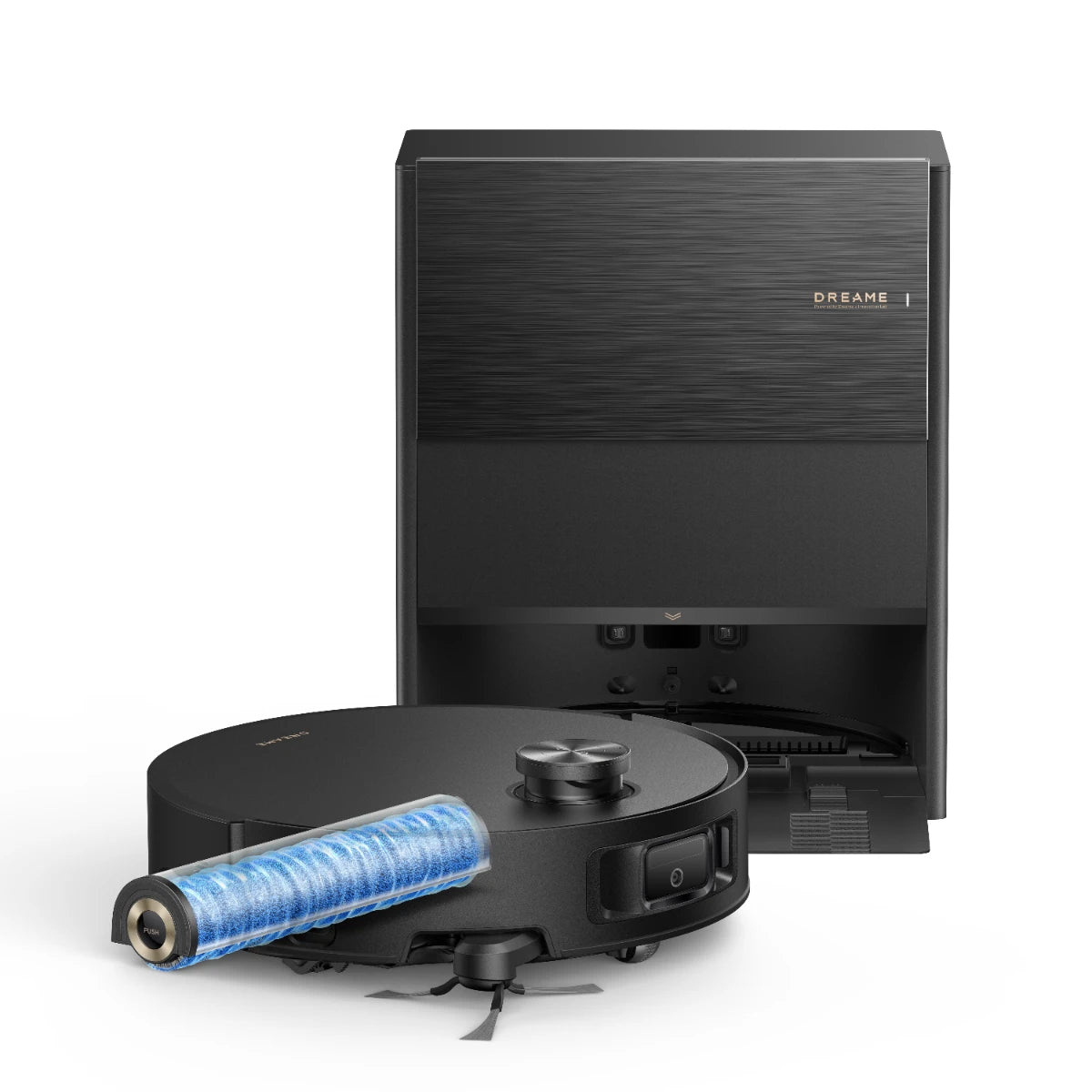
Dreame
A U.S. fresh-water roller robot vacuum-mop with a removable-tank station, automatic roller wash/dry and a separate optional solution-refill accessory.
Read the assessment ↗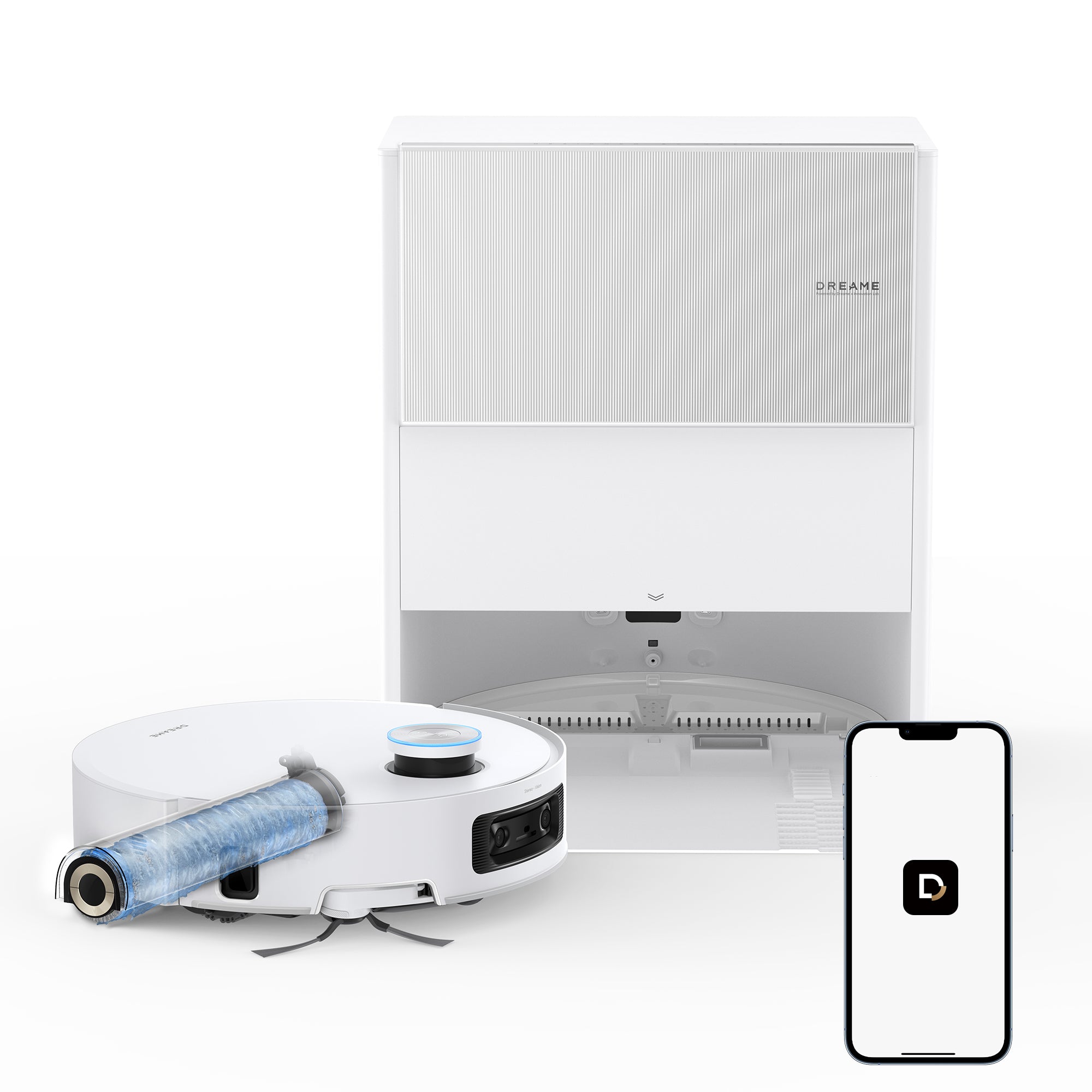
Dreame
A U.S. robot vacuum-mop with a fresh-water roller, retractable LiDAR and a removable-tank station that washes and dries the roller and includes a dual-solution dispenser.
Read the assessment ↗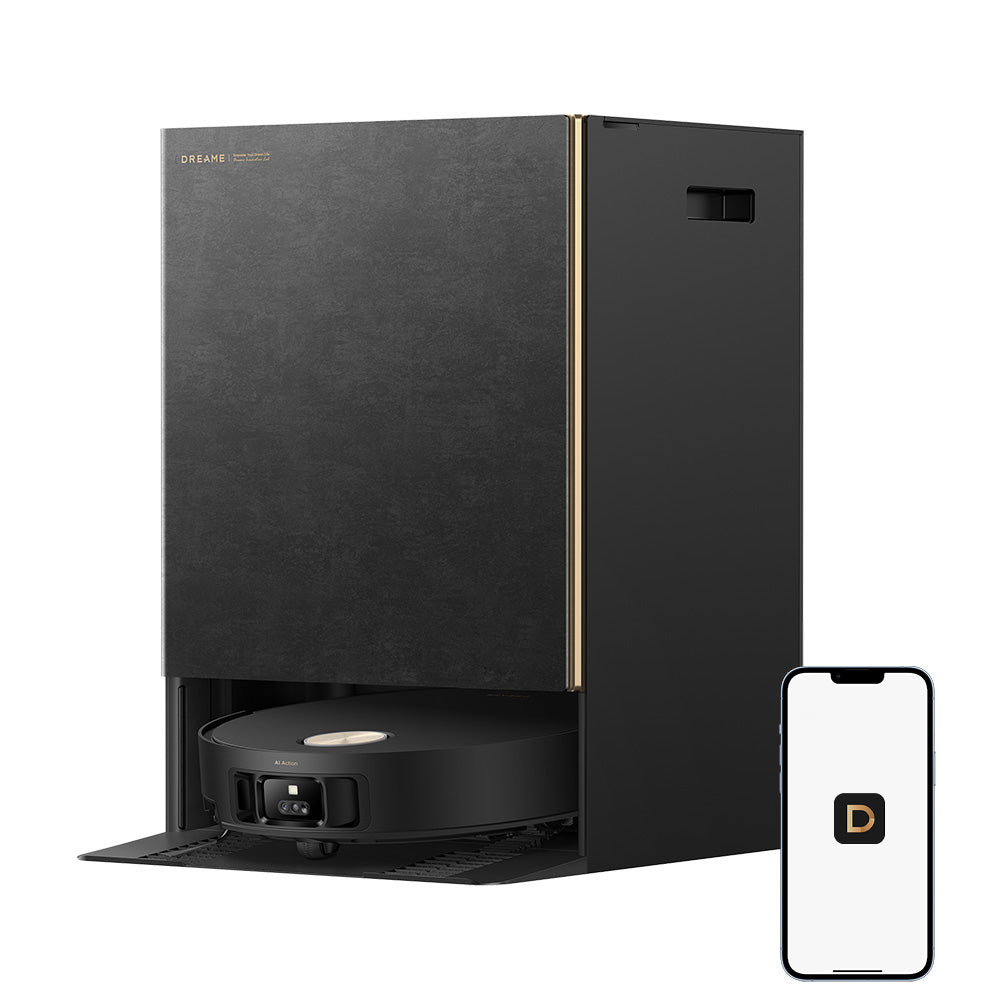
Dreame
A vacuum-mop whose distinctive U.S. station automatically switches among three zone-assigned mop assemblies as well as emptying dust, washing and drying mops, refilling water, and dispensing from three approved solution compartments.
Read the assessment ↗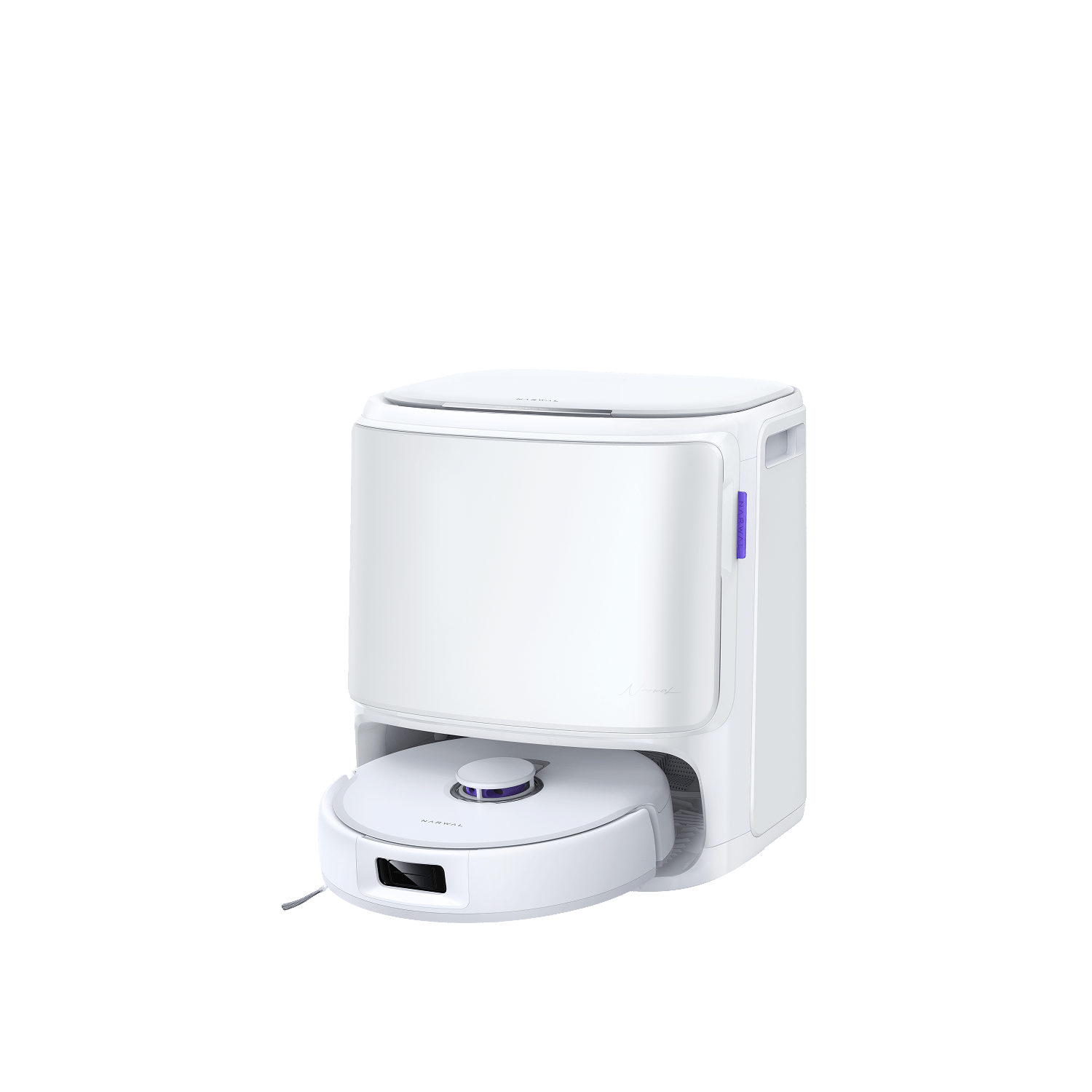
Narwal
A robot vacuum-mop with two rotating pads, a removable-tank dock that empties dust and washes/dries the pads, and brush designs intended to limit hair tangles.
Read the assessment ↗Roomba Combo and vacuum-only choices
The Roomba 205 DustCompactor L124020 compresses dust inside a bagless robot bin instead of transferring it to an AutoEmpty dock; its out-of-stock offer is retained as a model reference, not a current recommendation. The Roomba 105 Combo Y314020 uses a charge-only dock; Y354020 adds bagged dust emptying, while the Smoke finish Y351420 is documented under that same Combo AutoEmpty product group. The Max 705 Vac W155020 is different: it vacuums only, supports the AutoEmpty dust dock and is listed for both 2.4 and 5 GHz Wi-Fi. The Plus 505 Combo N185020 adds dual spinning pads and a tank-based AutoWash dock that washes and dries them; the white N185220 is the same functional package in another finish. Its water tanks still need owner care. Compare the charge-only 105 Combo, 105 Combo + AutoEmpty and Max 705 Vac, then read the dock comparison or 105 Combo versus Max 705 guide, or the three-way AutoWash comparison before choosing based on mopping, network and maintenance.
Practical decisions
A robot's route includes thresholds, dark carpet, charging space and the station's tanks or water-line installation—not just the room shown on a product page.
Start with furniture gaps, floor types, network access and whether a tank or plumbing-connected dock fits the home.
Read the guide ↗Fit and navigationCompare a robot's full navigation height with the gap it must enter, not just the dock or product family name.
Read the guide ↗Dock setup and carePlan water, dirty-tank emptying, dust bags, mop care, floor space and the station's own cleaning routine.
Read the guide ↗A practical comparisonCompare three exact US Curv configurations around robot height, navigation, mop washing, carpet limits and maintenance.
Read the guide ↗A practical comparisonCompare two 3.14-inch Roborock vacuum-mops around 3D ToF versus retractable LDS, water on the floor, threshold claims and manual limits.
Read the guide ↗Setup and ownershipFollow model instructions for first runs, cables, filters, mop cloths, tanks and the dock.
Read the guide ↗Dock setup and careCheck the exact pipe, water-pressure, drain, outlet and room requirements before choosing an automatically refilling dock.
Read the guide ↗A practical comparisonCompare the vibrating S5 mop with the auto-lift X5 pad, then choose a standard charging dock or dust auto-empty station.
Read the guide ↗A practical comparisonCompare the Q7’s simple water-flow cloth with the Q10 vibrating or automatically lifted pad, including manual upkeep and carpet boundaries.
Read the guide ↗A practical comparisonCompare the standard charging dock with dust auto-emptying, then weigh suction claims, the shared cloth-mop routine and documented route limits.
Read the guide ↗Mop systemsCompare a refreshed roller mop with spinning pads, carpet limits and the hands-on care each station still needs.
Read the guide ↗A practical comparisonCompare twin spinning pads, a flat cloth and a refreshed roller, plus dock chores, route fit and each exact manual’s limits.
Read the guide ↗A practical comparisonCompare rotating pads and warm-water mopping, a refreshed roller and a cold-water tank dock, with each exact robot height and manual limit.
Read the guide ↗A practical comparisonCompare twin-pad and roller mops, exact water-temperature claims, robot height, threshold conditions, tank care and manual limits.
Read the guide ↗A practical comparisonSeparate the exact S5V and QV 35A tank-dock features from the Qrevo S Pro’s documented 75°C dock-wash upgrade, then check height, carpet and setup.
Read the guide ↗A practical comparisonCompare the Z70’s limited app-enabled item-moving arm with the 10R’s 3D ToF and Edge 2’s retractable LDS, then separate floor-water temperature from dock wash.
Read the guide ↗A practical comparisonCompare dual spinning pads and a shorter StarSight robot with a taller roller-mop Flow, while separating floor-water temperature, dock wash, threshold and carpet limits.
Read the guide ↗A practical comparisonCompare carpet mop handling, removable-tank dock work, network requirements and the Qrevo 2 Pro's conflicting official numerical claims.
Read the guide ↗Docks and installationCompare two exact Roborock plumbed-dock configurations, their robot and mop differences, and the installation questions to answer before choosing one.
Read the guide ↗A practical comparisonCompare the exact 105 Combo dock packages, manual mop care, robot clearance, network requirement and related mop systems.
Read the guide ↗Buying and ownershipVerify the exact robot, dock, condition, battery policy, returns and warranty before treating a refurbished vacuum as a fit.
Read the guide ↗A practical comparisonChoose between a flat-cloth combo robot and a vacuum-only AutoEmpty model by mop routine, dock chores, network and clearance.
Read the guide ↗A practical comparisonCompare two exact vacuum-only AutoEmpty packages by bag interval, documented dimensions, network support and the limits of their manufacturer claims.
Read the guide ↗A practical comparisonCompare the exact Q352020 vacuum-only package with the Y354020/Y351420 flat-pad Combo packages, including dust service, 2.4 GHz setup and route limits.
Read the guide ↗A practical comparisonCompare exact dock care, Wi-Fi, nominal robot clearance and separate wash-temperature claims across three models.
Read the guide ↗A practical comparisonCompare exact X185020 and X186020 identities, the separately listed in-box bundles, shared roller/dock claims, route fit and what remains unproven.
Read the guide ↗A practical comparisonCompare the Roomba 205’s bagless bin compactor with the 105 Combo’s separate bagged AutoEmpty station and decide which dust chore fits your routine.
Read the guide ↗A practical comparisonCompare the C28’s published threshold limit and carpet warning with the E35’s suction and roller specifications, then check a third roller-mop alternative.
Read the guide ↗A practical comparisonCompare the S2’s carpet and qualified threshold claims with the C28’s route warning and the E35’s larger suction figure, then choose around the exact station and floor limits.
Read the guide ↗A practical comparisonCompare the Plus physical-bumper arrangement with Pro Plus single-laser 3D sensing and extending brush, then check the shared flat-pad care routine and exact dock limits.
Read the guide ↗A practical comparisonCompare the standard X50 Ultra and D20 Pro Plus around removable-tank mop washing, owner-held pad care, sensor height and distinct threshold claims.
Read the guide ↗Model comparisonsCompare the exact U.S. X60 packages, Max-only carpet mechanisms, separate pet-odor dispensing, and shared measurements before choosing.
Read the guide ↗Dreame comparisonsCompare the exact robot and base codes, clearance, conditional threshold claims, carpet features and tank-dock care before choosing between these Dreame models.
Read the guide ↗A practical comparisonCompare the exact U.S. FE and Pro packages around robot clearance, obstacle sensing, TriCut versus HyperStream brushing, carpet handling, threshold claims and dock upkeep.
Read the guide ↗Dreame comparisonsCompare the exact RCS0 charging-only package with the L40 Ultra Gen 2 wash-and-dry station, including Wi-Fi, pad care and carpet limits.
Read the guide ↗A practical comparisonCompare the exact Q380RR Q7 Max packages by dust emptying, the 30-level cloth, network and route constraints, and the unresolved included dock suffix.
Read the guide ↗Roborock comparisonsCompare the removable-tank and fixed-plumbing U.S. S8 MaxV Ultra packages, exact dock identity, installation limits and ongoing station chores.
Read the guide ↗Roborock comparisonsCompare exact U.S. robot and dock identities, height and threshold claims, conflicting suction listings, dock chores and current reference status.
Read the guide ↗Models and configurationsCompare the standard tank package, the fixed-plumbing Saros 10 and the separate Saros 10R by navigation, mop mechanism, water handling and manual limits.
Read the guide ↗Measure the robot route, but also decide whether you want to refill and empty removable water tanks, handle mop cloths yourself or install a fixed water supply and drain. The plumbed Saros 10 R&D dock has exact pressure, pipe and placement conditions to check in its manual; the Q10+ dust-only dock skips mop washing and water service.
Check whether a plumbed dock fits ↗